Renovation
Renovation sequencing is where budgets are actually lost
Doing the right work in the wrong order means paying for some of it twice. That is the most common renovation failure.

This looks at renovation sequencing from the practical end — what holds up once conditions stop being ideal.
What holds up in practice
- First fix before plaster, plaster before finishes, decoration last.
- Rework caused by wrong ordering is the most common budget overrun.
- Contingency of ten to twenty per cent is a planning figure, not pessimism.
The order is not negotiable
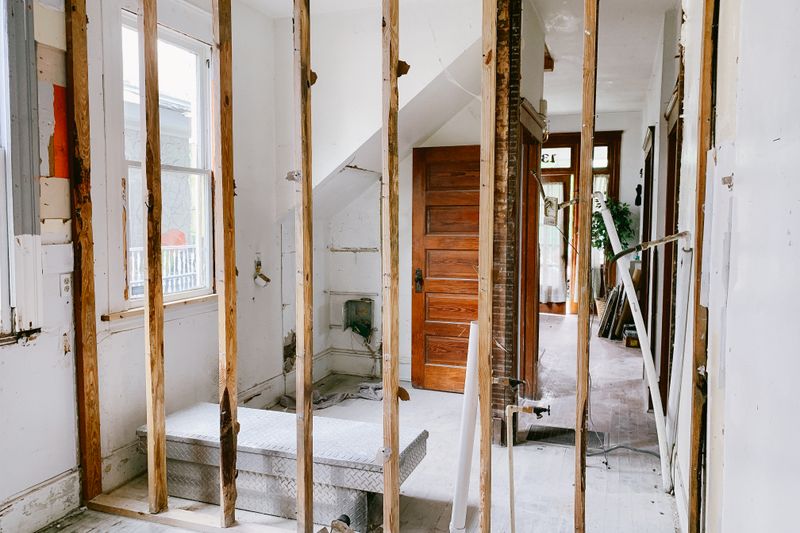
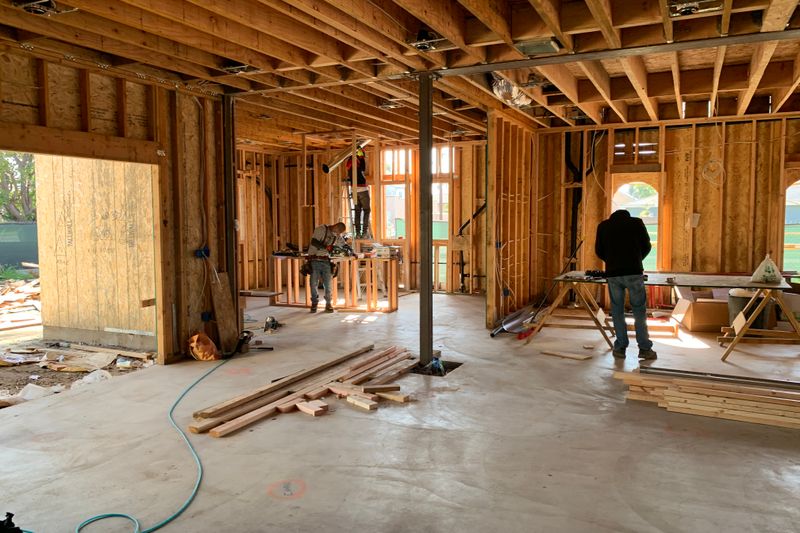
Structural work, then roof and weathertightness, then first-fix electrics and plumbing, then plaster, then second fix, then decoration. Each stage buries the previous one, which is why doing them out of order means opening up work already finished.
This sequence is not a preference; it is the physical dependency of the trades. Most people who describe a renovation going wrong are describing having broken it somewhere.
Decide before first fix
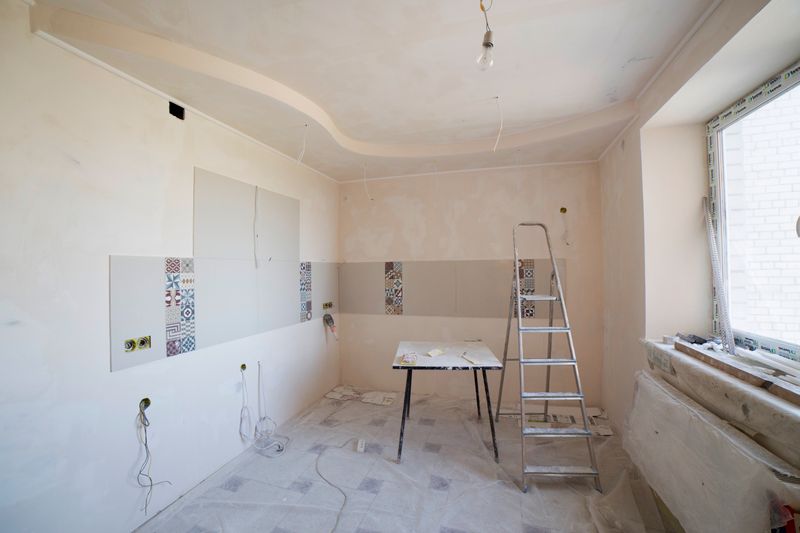
Socket positions, light switches, whether a wall light exists, where the boiler goes and where the shower controls sit all have to be decided before plastering. Changing any of them afterwards means chasing walls that have just been finished.
Walking the rooms with tape on the walls, imagining furniture, is the cheapest hour in the whole project. The decisions people forget are the invisible ones — where the router and its cabling live, whether there is power inside a cupboard or under the stairs, an outside socket and tap, drainage for a utility room that does not exist yet — all trivial before plaster and disproportionate afterwards.
Contingency is a real line
Older buildings reliably produce surprises once opened up: wiring, damp, structure, non-compliant previous work. A contingency of ten to twenty per cent is standard professional practice rather than defensive budgeting. A project with no contingency will stop partway through, which is more expensive than planning for it.
Over years, the distinction that keeps it intact is between the unforeseen and the upgraded: money spent because the joists were rotten is contingency, money spent because a better tile appeared is a change of scope, and a project funding the second out of the first reaches the rot with nothing left.
Trades have a queue and a sequence
Good trades are booked months ahead, and a delay in one stage cascades into losing the slot for the next. Managing that sequence is the main value a builder or project manager provides, and it is what people underestimate when self-managing. Booking the plasterer before the first fix is complete is the classic scheduling error.
Some of the waits are physical rather than administrative, since plaster, screed and concrete need drying time before anything is applied over them, and painting or laying flooring onto a substrate still releasing moisture is the failure that returns six months later as blown paint or lifted boards.
Live in it before finishing it
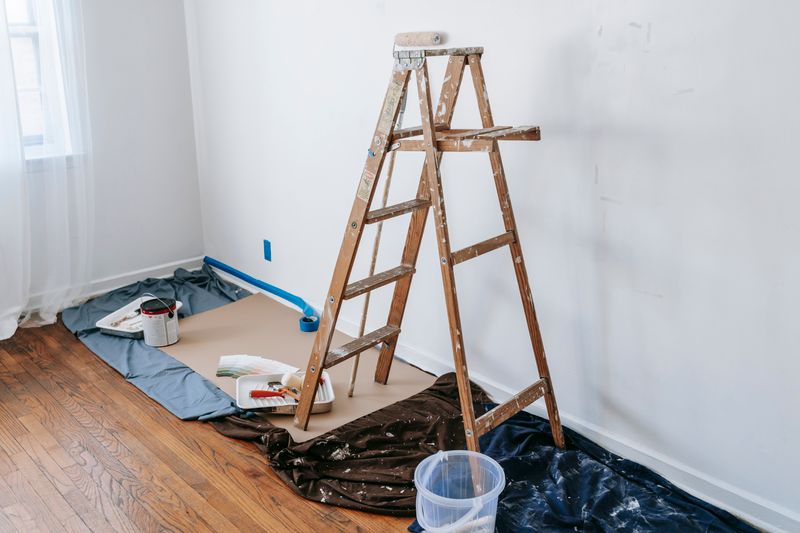
Where possible, using a space before making final decisions about storage, lighting and layout produces better decisions. Several months of ordinary use reveals things no plan does. Leaving the decoration until last is not only sequencing; it is the cheapest stage to delay.
Live with it a while and it applies only to the reversible layer, though, because structure and first fix cannot wait for the insight, and living for months in an unfinished house carries costs in dust, noise and no kitchen that people underestimate as reliably as they underestimate the budget.
Anything structural belongs with a qualified professional, not an article.
Approvals sit before the sequence, not inside it
Structural alterations, drainage, new circuits, gas work and anything affecting a shared wall are subject to permissions and to competent-person rules in most countries, and what triggers them differs sharply from one to the next. Gas and electrical work in particular is restricted by law in many places to registered installers, and asbestos in a building of the wrong age is a licensed-removal question rather than a weekend one, so the honest answer to both is a qualified professional and not a video.
The quieter point is that the paperwork matters after the work as much as during it, because a buyer's conveyancer and sometimes an insurer will ask for the certificates, and their absence surfaces at the least convenient moment years later. Establishing what needs consent before the programme is drawn is the difference between a delay of weeks and a completed stage that has to be opened up again, and the local building authority is the place to ask rather than the supplier quoting for the work.
The takeaway
Decide everything before the plasterer arrives, and keep a contingency you expect to spend.
The best rooms look like a decision, not a purchase.
Questions readers ask
How much contingency should I allow?
Ten per cent for straightforward work in a modern building; twenty per cent or more for older properties or anything involving structure.
Should I project manage it myself?
It is possible and it is a real job. The value is in sequencing and in holding trades to dates, and underestimating that is where self-managed projects usually struggle.
Also by Astrid Holm
- Paint finish matters more than paint colourMaterials
- Damp has three common causes and they need different fixesRenovation
- Buy furniture slowly, and leave the gapsObjects & Craft
- The dining room did not die, it movedRoom by Room