Renovation
Rewiring and replumbing are the invisible half of a budget
Nobody photographs the work that costs the most, which is why first-fix services surprise people every time.

These are listed in the order worth acting on, which with electrics and plumbing is not the order they are usually presented in.
What matters most
- Services work is disruptive because it requires opening walls, floors and ceilings.
- Electrical work is regulated and certified in most countries.
- Decisions about socket and outlet positions have to be made before plastering.
Why it costs what it costs
Running new cables and pipes means chasing walls, lifting floors and opening ceilings across the whole house, then making all of that good again. The labour of access and reinstatement typically exceeds the cost of the cable and pipe by a wide margin. This is why doing services work while a house is already open is dramatically cheaper than doing it later.
It is also why the same job costs far more in a finished house than in one being stripped back.
Deciding positions in advance
Every socket, switch, outlet, light point, tap and radiator position has to be fixed before the walls are closed up. Walking each room with the furniture layout in mind, marking positions on the wall in chalk, is the exercise that prevents years of extension leads. People consistently underestimate how many sockets they want, and adding them later means chasing a finished wall.
Think about where a bed, a desk, a television and a kitchen appliance will actually be, not where the room is empty.
What triggers a full rewire
Age alone does not require rewiring; the condition of the cable, the earthing arrangement and the consumer unit do. Older installations may have degraded insulation, inadequate earthing or no residual current protection, all of which are safety issues.
Underneath it, a qualified electrician can carry out a condition report that says what needs doing and how urgently, which is far more useful than a guess. Partial upgrades are often possible and reasonable, and a report is what tells you whether that applies to your house.
Regulation and certification
Electrical work in dwellings is regulated in most countries, with rules about who may carry it out, what must be inspected and what certificates must be issued. Those certificates matter when selling a home, when insuring it and when anything goes wrong. Some plumbing and all gas work is similarly restricted, and in most jurisdictions gas appliances must be installed by a registered person.
Never carry out work on gas, and never on mains electrics beyond what is permitted where you live.
Plumbing decisions with long consequences
Pipe routes, isolation valves and access points determine how easy every future repair will be. An isolation valve on each appliance and each branch turns a leak into an inconvenience rather than a house-wide shutdown. Pipes buried in a floor with no access are a decision to accept a very expensive repair if they ever fail.
Over years, insulating hot pipes in unheated voids is cheap during first fix and reduces heat loss for the life of the system.
Sequencing and what comes after
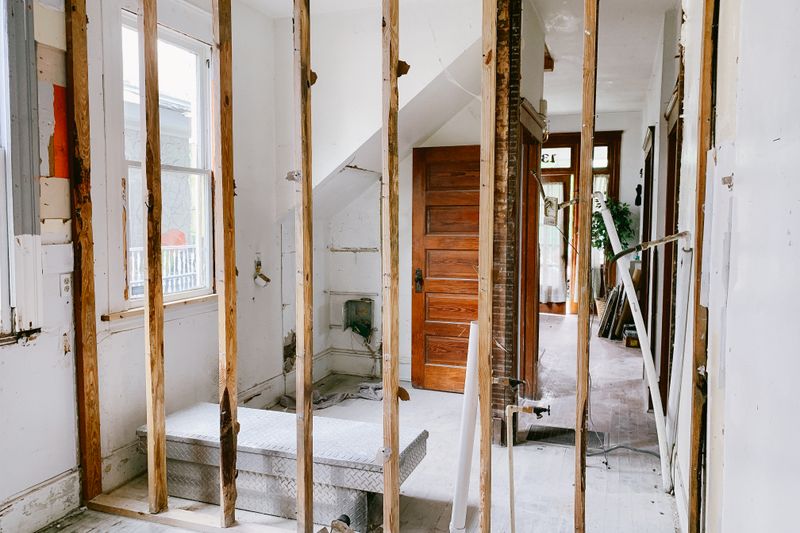
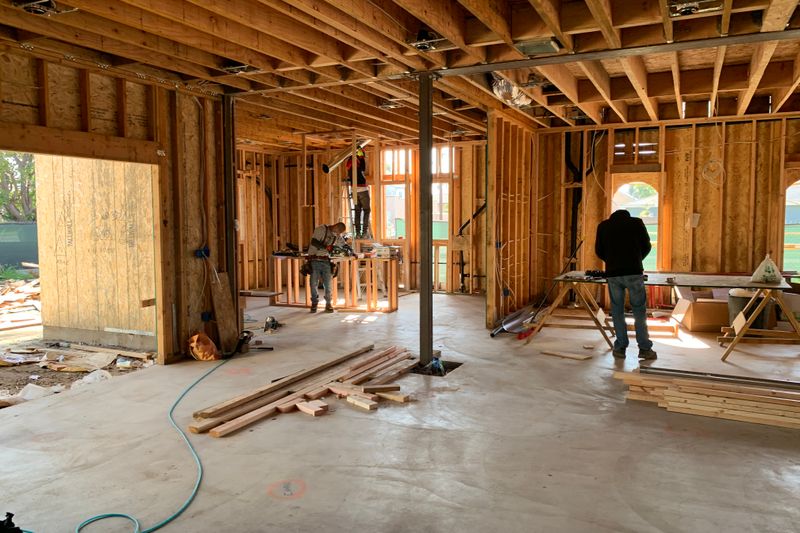
First fix — the cables and pipes in the structure — happens before plastering; second fix — the fittings themselves — happens after decoration in many trades' preferred order. That gap means the house sits with bare cables and capped pipes for weeks, which is normal and often alarming to owners.
Live with it a while and photographing every wall and floor before it is covered gives you a record of where everything runs, which is genuinely valuable later. It takes twenty minutes and it will save someone drilling into a cable in five years' time.
Everything above, in order of what to do first
- Why it costs what it costs. Running new cables and pipes means chasing walls, lifting floors and opening ceilings across the whole house, then making all of that good again.
- Deciding positions in advance. Every socket, switch, outlet, light point, tap and radiator position has to be fixed before the walls are closed up.
- What triggers a full rewire. Age alone does not require rewiring; the condition of the cable, the earthing arrangement and the consumer unit do.
- Regulation and certification. Electrical work in dwellings is regulated in most countries, with rules about who may carry it out, what must be inspected and what certificates must be issued.
- Plumbing decisions with long consequences. Pipe routes, isolation valves and access points determine how easy every future repair will be.
- Sequencing and what comes after. First fix — the cables and pipes in the structure — happens before plastering; second fix — the fittings themselves — happens after decoration in many trades' preferred order.
The takeaway
Decide every position before the plasterer arrives, photograph the open walls, and get a condition report rather than guessing.
A room that is used will always beat a room that is finished.
Questions readers ask
How do I know if a house needs rewiring?
Have a qualified electrician carry out a condition report. It assesses cable condition, earthing and protection and tells you what is urgent, what is advisable and what is fine.
Can I move a socket myself?
Rules differ by country, and in many places domestic electrical alterations are restricted or notifiable. Check what is permitted where you live and use a qualified electrician for anything regulated.