Materials
The wall behind the paint decides how the paint looks
Two rooms painted the same colour look different because one is on fresh plaster and the other is on forty years of history.
What follows is an argument about plaster and wall surfaces, and about where the received version of it stops being true.
The argument in brief
- Wall texture changes how light scatters and therefore how colour reads.
- New plaster needs a mist coat before any topcoat.
- Old solid walls often need breathable materials rather than modern plasters.
Texture is what the light lands on
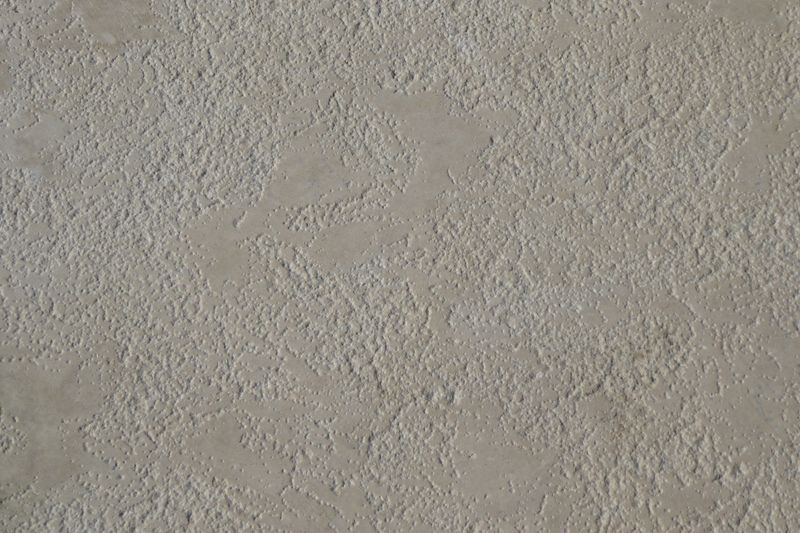
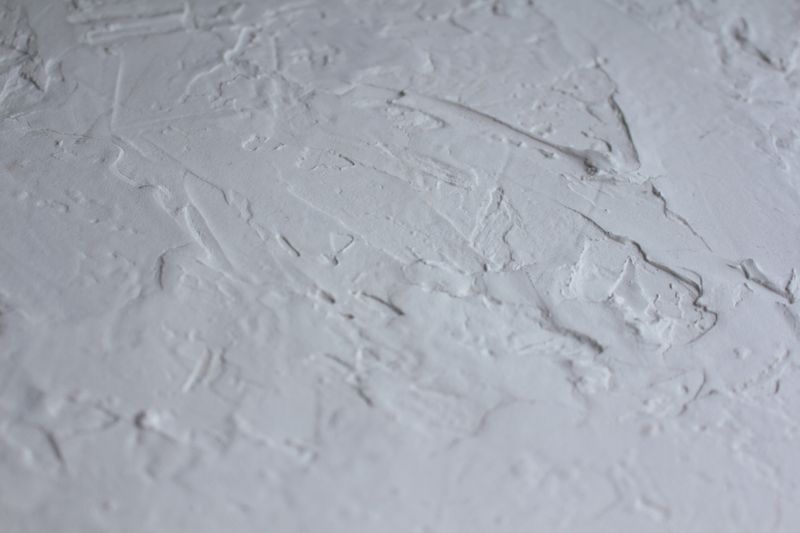
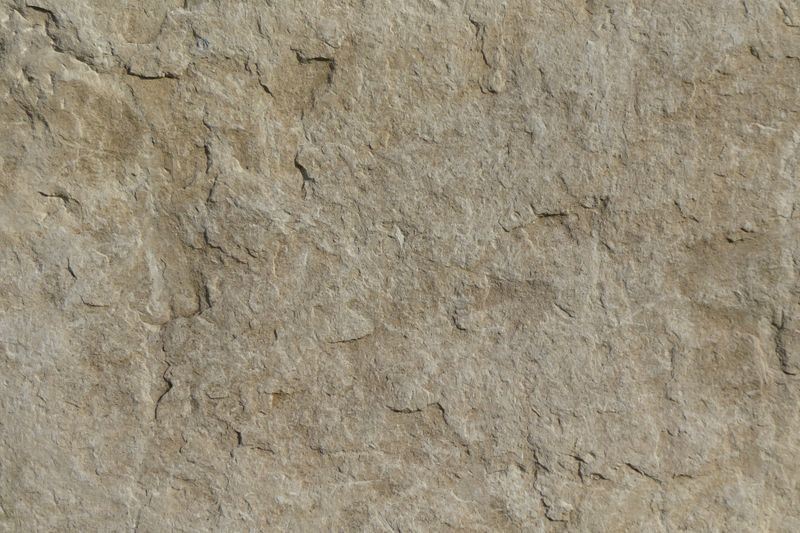
A perfectly flat skim reflects light evenly and gives a colour its most saturated, uniform appearance. A slightly irregular surface — old lime plaster, a trowelled finish, limewash — scatters light at many angles and produces the depth and variation people describe as softness. This is why the same paint reads flat and plasticky in a new build and alive in an old house, with no difference in the tin.
If you want that quality in a modern room, it has to come from the surface treatment, because no paint colour will supply it.
New plaster has to be sealed first
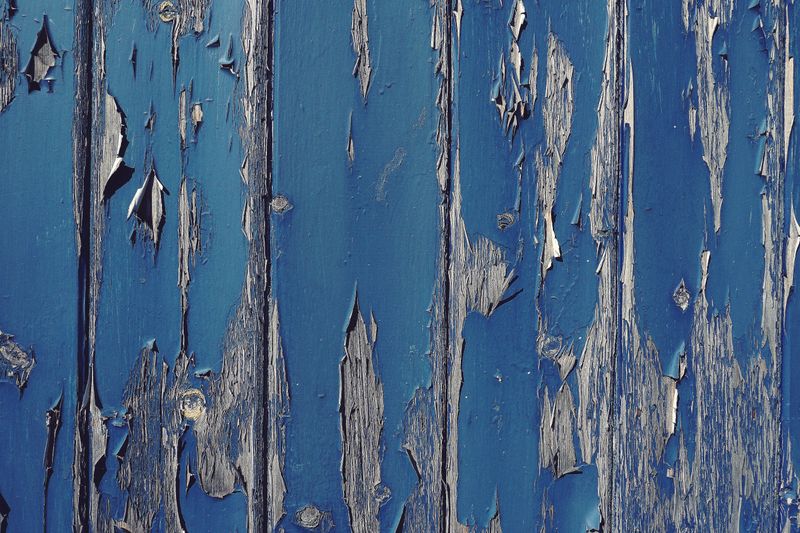
Fresh plaster is highly absorbent and will suck the binder out of a full-strength topcoat, causing patchy sheen and eventual peeling. A mist coat — emulsion thinned with water, or a proprietary primer for new plaster — soaks in and gives the topcoat something to bond to. Plaster also needs to be genuinely dry first, which for a full skim usually means weeks rather than days depending on conditions.
Painting too early traps moisture behind the film and is one of the commonest causes of paint failure in newly renovated rooms.
Old walls behave differently
Solid masonry walls without a cavity were built to absorb moisture and release it, and the lime plaster and limewash on them allowed that. Covering them with gypsum plaster, plastic-based paint or waterproof render traps moisture in the wall, where it can damage the masonry and reappear as damp inside.
Underneath it, lime plaster, clay plaster and mineral or silicate paints are vapour-open and are the appropriate materials for that construction. If a wall in an older building is repeatedly damp after redecoration, this incompatibility is one likely cause and is worth a professional assessment.
Patching never quite disappears
A filled and sanded repair has a different porosity from the surrounding wall, so it absorbs paint differently and shows as a flashed patch. Spot-priming repairs before painting the wall equalises absorption and removes most of the effect. Under a very flat matt paint, patches are more forgiving; under any sheen, they catch the light and are obvious.
On a wall with many repairs, lining paper or a full skim is usually cheaper in effort than chasing patches with more coats.
Plasterboard versus wet plaster
Plasterboard on dabs or battens is quick, dry and consistent, and sounds hollow because there is a void behind it. Wet plaster onto masonry is solid to the knock, better for hanging heavy items, and takes longer and costs more. The hollowness matters practically because fixings into plasterboard need cavity anchors rated for the load, not just a screw.
A shelf that pulls out of a wall is nearly always a fixing chosen for the wrong substrate.
What photographs well and what lives well are frequently different rooms.
The finishes that are surfaces rather than paint
Limewash, clay paint, microcement and polished plaster are surface treatments with their own texture, not colours applied to somebody else's texture. They are more expensive per square metre and often less washable, and they give a room a quality that flat emulsion cannot. Most are harder to touch up invisibly, which is worth knowing before putting them in a hallway.
Sampling these on a real wall rather than a board matters more than with paint, because the effect depends on how they are applied.
The takeaway
Prime new plaster, spot-prime the repairs, and match the material to how the wall was built.
A room that is used will always beat a room that is finished.
Questions readers ask
Why does my new paint look patchy?
Usually uneven absorption — unprimed plaster, unprimed filler repairs, or a topcoat applied over an unsealed surface. Priming the whole wall and repainting normally resolves it.
Do I have to use lime plaster in an old house?
Not universally, but on solid walls without a damp-proof course, breathable materials are generally the safer choice. If there is any damp history, get advice from someone experienced with traditional construction.