Renovation
Buying a house that needs work: what to check and what to cost
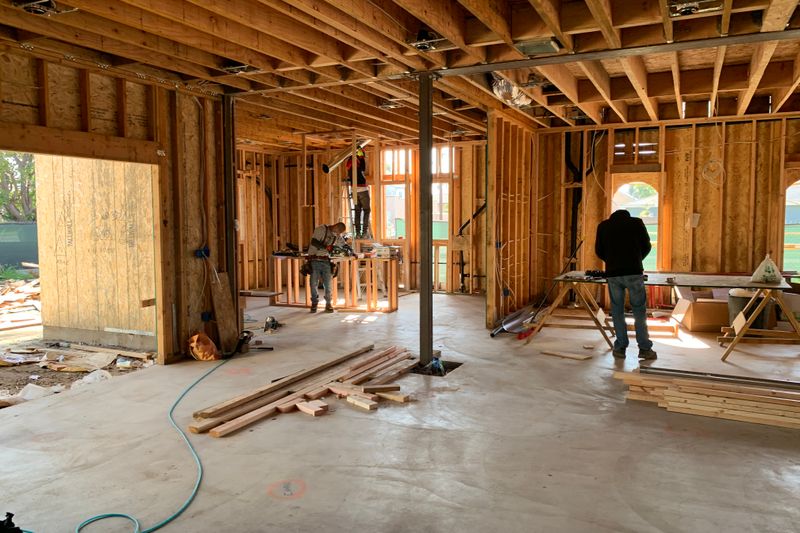
The expensive problems in a neglected house are rarely the ones that look bad in the photographs.
Treat the sections below as a sequence. With buying a house needing work, getting the early decisions right makes the later ones much easier.
Before you start
- Roof, drainage, structure and services are the costly items; decoration is not.
- A full building survey costs a fraction of the problems it finds.
- Access and location affect renovation cost significantly.
Cosmetic and structural cost very different amounts
A house with terrible decoration, an old kitchen and worn carpets looks unlivable and is comparatively cheap to change. A house that shows well can have a failing roof, no usable damp-proof course, a dangerous electrical installation and blocked drains.
Buyers systematically overpay for presentation and underestimate the invisible items, which is the core arbitrage in buying a renovation project. Learning to look past the surface is the most valuable skill in this market.
The items that cost the most
Roof coverings and structure, drainage, structural movement, damp and rot, and full replacement of electrics and plumbing are the large numbers. Windows across a whole house, a new heating system and insulation retrofits sit in the middle. Kitchens, bathrooms and decoration are more visible and generally smaller, and they are also the ones people budget for.
The quieter point is that a useful discipline is to price the invisible list first and see what is left.
Get the right survey
A valuation for a lender is not a survey and says almost nothing about condition, which surprises many buyers. A full building survey by a qualified surveyor examines the structure and fabric in detail and typically costs a small fraction of what it finds.
Specific concerns — structural movement, timber decay, drainage, electrical condition — usually warrant a specialist report in addition. The names and scopes of survey types differ between countries, so ask what is actually included rather than relying on the label.
Things to look at yourself
Look along walls and ceilings at a grazing angle for bulges, check whether doors and windows are square in their openings, and look for cracks that step through masonry joints. Look at the roof from the street and from the garden, check gutters for plant growth and staining below joints, and look at ground levels against the walls. Open the loft hatch, look for daylight, staining and inadequate insulation, and look under the floor if there is access.
None of this replaces a survey; it tells you whether to pay for one on this house or the next.
Access and location change the price
A terraced house with no rear access, a top-floor flat with no lift, or a rural site far from suppliers all raise labour and logistics costs substantially. Scaffolding, skip permits, parking restrictions and restricted working hours are real line items in urban projects. Protected status or a conservation area can require specific materials and methods that cost considerably more.
Two identical houses in different locations can have renovation costs that differ by a wide margin for these reasons alone.
What photographs well and what lives well are frequently different rooms.
Building a realistic number
Get a builder to walk the property before exchange where possible, since an hour of their time gives a far better figure than any online calculator. Price the work in stages, because most people cannot do everything at once and the order matters for cost. Add a contingency of a fifth or more for an older property, because opening it up will reveal things.
The quieter point is that if the numbers only work with no contingency and everything going right, that is information about the purchase rather than about the budget.
The takeaway
Price the roof, the drains, the structure and the services first. The kitchen is the cheap part.
A room that is used will always beat a room that is finished.
Questions readers ask
Is a full building survey worth the cost?
On any older or neglected property, yes. It typically costs a small fraction of a single significant defect and gives you either a negotiating position or a reason to walk away.
What renovation costs do people most underestimate?
Services — full rewiring and replumbing — along with roofing, drainage and making good after all of it. Kitchens and bathrooms are visible and usually budgeted; the disruption around them is not.