Materials
Siding Is Chosen For Water Before It Is Chosen For Looks
Exterior cladding is a rain-shedding layer, and the differences between wood, fiber cement, vinyl and masonry come down to how each handles water, movement and the maintenance it demands.

Siding is usually discussed as an appearance decision, since it is the visible face of a house. Its actual job is to shed water and let the wall behind it dry.
Cladding is a screen, not a seal
No exterior surface stays perfectly watertight over decades of movement and weather. Wind drives rain through laps and around openings, and it is expected to.
The layers behind the siding are what keep water out: a weather-resistive barrier, flashing at every opening, and a drainage path back to daylight.
Modern practice leaves a ventilated gap behind the cladding so any water that gets past can run down and evaporate rather than sitting against sheathing.
Wood works but keeps asking
Solid wood siding is dimensionally lively, expanding and contracting with moisture, and it depends on a coating to slow that exchange. The coating is the maintenance.
Species and cut matter more than grade names suggest. Vertical grain moves less across its width, and naturally durable species resist decay at cut ends where water lingers.
Where wood fails it usually fails at the bottom edge, at butt joints and behind trim, because those are the places that stay wet longest after rain.
Fiber cement and engineered products change the failure mode
Fiber cement is cement, sand and cellulose formed into boards. It does not feed insects or rot, holds paint well, and moves less than wood with humidity.
It is heavy, brittle at the edges, and cutting it produces silica dust that requires proper control, so the labor and site practices differ from working with wood.
Engineered wood siding sits between the two, using resin-bonded wood strands, and its performance depends heavily on the edges and cut ends being sealed as the manufacturer specifies.
Vinyl solves maintenance by giving up rigidity
Vinyl siding is a plastic profile that expands and contracts noticeably with temperature, which is why it is hung loosely on nails that are deliberately not driven tight.
Fastened too firmly it buckles in summer heat, and that wave along a wall is the most common installation fault visible from the street.
It sheds water well and never needs painting, but it dents, can crack in cold impacts, and its color is fixed at the factory rather than changeable later.
Masonry stores water rather than repelling it
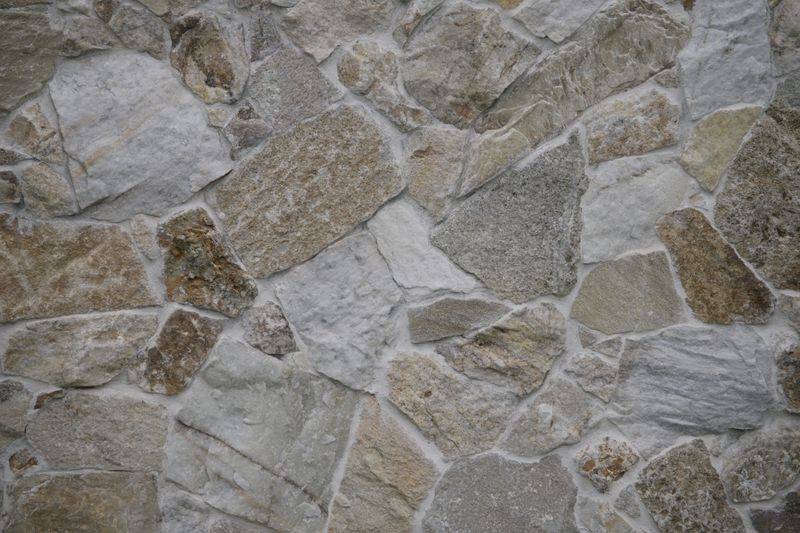
Brick and stone veneers absorb rain and release it slowly. The wall depends on the drainage cavity and weep openings behind the masonry to handle what passes through.
Blocking those weeps, or filling the cavity, traps water against the structure, which is a common defect found when a veneer is opened up.
Stucco behaves similarly and is especially unforgiving of missing flashing, since the water that gets behind it has nowhere obvious to go and no easy way to be seen.
Questions readers ask
Is engineered flooring worse than solid?
Not worse, different. It is more stable, better over underfloor heating, and available in wider boards. Its limit is the wear layer, which caps how many times it can be sanded.
How many times can a floor be sanded?
A solid board can typically take several sandings over its life. An engineered board with a two millimetre wear layer might take one; a six millimetre layer, three or more.