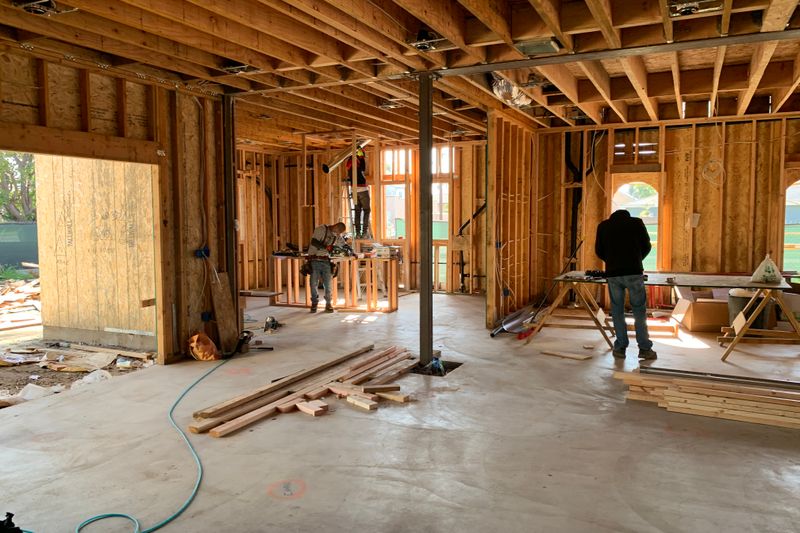
Renovation
Which jobs are worth doing yourself and which are not
The dividing line is not difficulty. It is whether a mistake is visible, expensive to undo, or capable of hurting somebody.
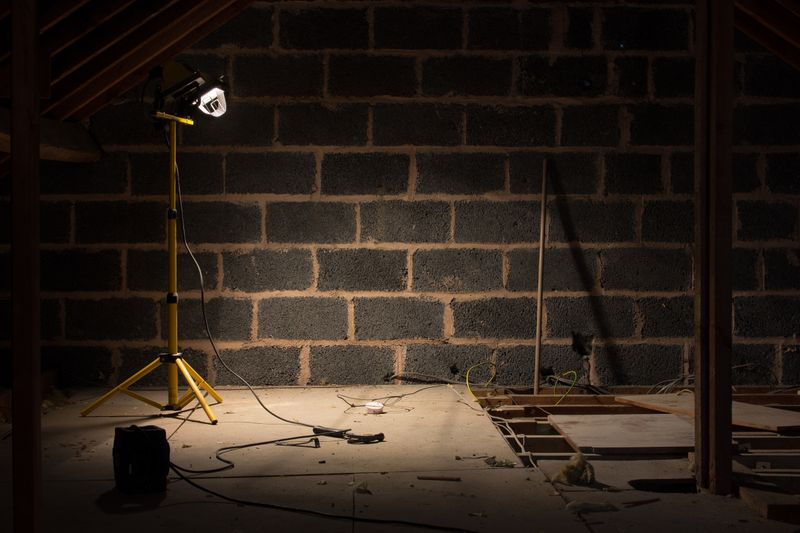
This is written to be used rather than admired. Each section below is a decision about doing the work yourself, and each one has a default.
Before you start
- Reversible, low-consequence work is where inexperience costs least.
- Regulated trades exist because failures are hidden and dangerous.
- Time is the resource most often underestimated by people doing their own work.
The three questions worth asking
The first question is what happens if it goes wrong, and the answer separates a badly hung shelf from a badly wired socket. The second is whether the mistake is visible and permanent, since a poor tiling job stays in front of you every day for years. The third is what it costs to undo, because some work is buried by the next stage and cannot be corrected without demolition.
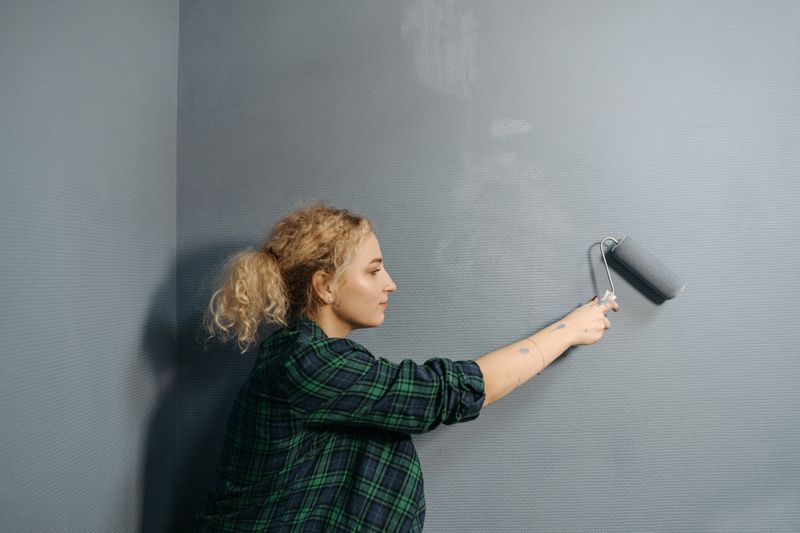
Jobs scoring low on all three, painting, filling, simple carpentry, are where learning is cheap and the result improves with practice. Jobs scoring high on any of them deserve a professional even when the physical task looks straightforward on a video.
Work that is regulated for a reason
Electrical work, gas work and drainage connections are regulated in most countries because failures are concealed and consequences are severe. The rules on what a householder may do differ substantially, and in many places certain work must be certified by a registered person. Uncertified work can invalidate insurance and can hold up a sale, which is a practical consequence in addition to the safety one.
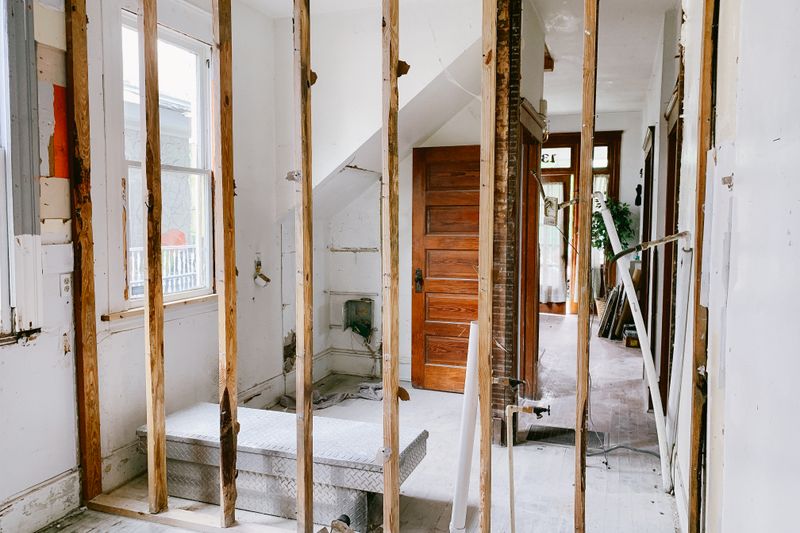
Structural alterations require design and approval, and this is not a matter of confidence or of care taken. Working at height, on roofs and with asbestos-containing materials all carry risks that are routinely underestimated by capable people.
Where amateur work usually shows
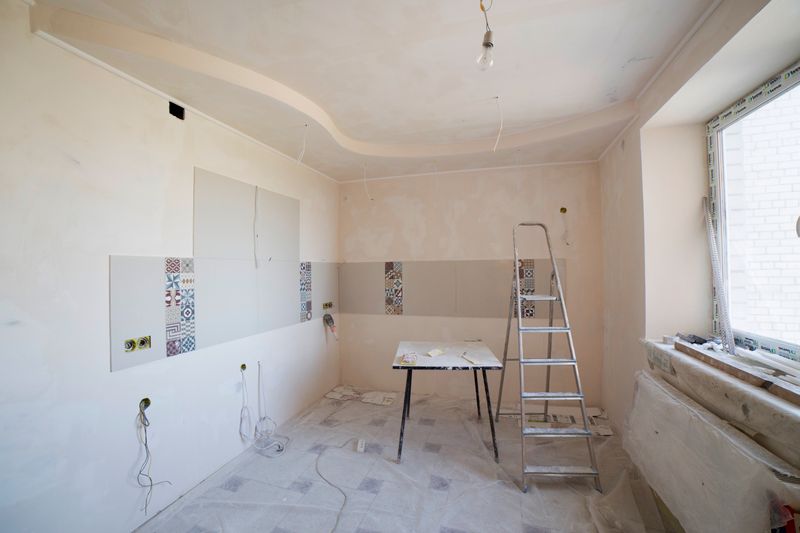
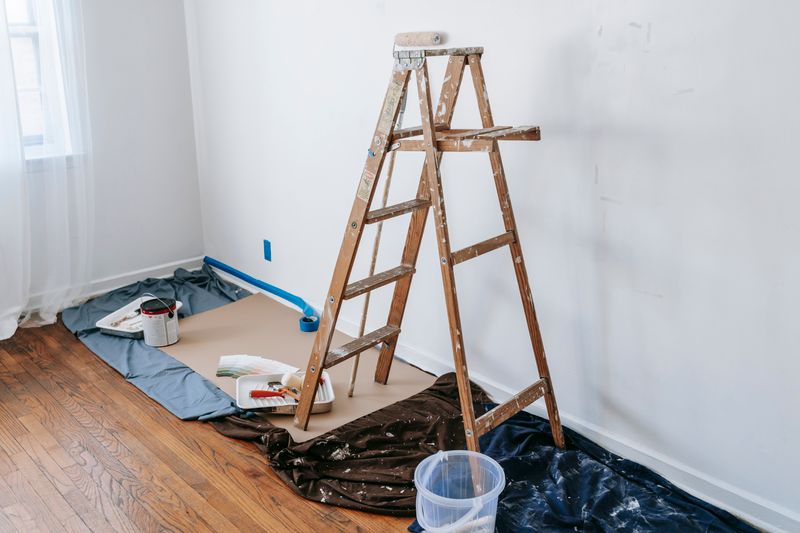
Preparation is the difference in painting, and the visible fault is almost always in the surface rather than the paint. Tiling shows every error in setting out, since a run that starts slightly off accumulates into an obvious sliver at the far end.
Underneath it, plastering is genuinely a skill of practice rather than knowledge, and the flatness of a wall is read by every light in the room. Mitres, scribes and the junctions of joinery are where a trained eye sees the difference immediately. Choosing to do the work in a room where the standard matters less, a utility room rather than a sitting room, is a sensible way to learn.
The cost of your own time
A professional works faster because of practice, tools and having done the same detail hundreds of times. A job that takes a tradesperson two days can absorb several weekends, during which the room is unusable and the house disrupted. Tool costs and wasted material also accumulate, and specialist tools bought for one job rarely justify themselves.
Hire is the sensible middle ground for occasional equipment, and it usually comes with a demonstration of correct use.
The honest calculation includes the value of the weekends, which is frequently what tips a decision one way.
Working alongside trades
Taking on stripping out, clearing waste and decorating at the end is a common and effective way to reduce the scope of paid work. It has to be scheduled, because a client who has not finished their part on time holds up everyone who follows.
In practice, splitting a job between a professional and an amateur creates a boundary of responsibility, and problems tend to appear exactly there. Contractors are often willing to advise on preparation work, and asking that question early is worth more than asking it later. A guarantee usually covers only what the contractor did, so it is worth being clear about where their work ends.
What photographs well and what lives well are frequently different rooms.
Judging your own competence honestly
Confidence tends to rise faster than skill, which is why the second attempt at something is often worse than the first. Watching a video shows the actions and not the judgement, and judgement is what handles the part that does not match the video. Old houses generate surprises, and the ability to respond to an unexpected condition is what separates practice from instruction.
Room to room, starting with a small area, finishing it and living with it is the most reliable way to test a decision before committing to a whole room. There is no shame in stopping partway and calling somebody, and the earlier that happens the cheaper it usually is.
The takeaway
Do the reversible, visible-but-forgiving work yourself, and hand over anything hidden, structural or regulated.
A room that is used will always beat a room that is finished.
Questions readers ask
What is the best job to start with?
Preparation and painting in a room where the standard matters less. It is reversible, cheap to correct, and the skill transfers directly to every future room.
Can I do my own electrical work?
It depends entirely on where you live, and in many countries certain work must be carried out or certified by a registered person. Check the local rules before touching anything.