Materials
Stone floors are cold, heavy and close to permanent
A stone floor outlasts everything else in a house, which is exactly why it deserves more thought than any other surface. The three constraints are weight, temperature and porosity.
Most explanations of stone floors stop at the point where it starts to matter. This one carries on.
The short version
- Stone floors add substantial weight and the structure below has to be checked.
- Porous stones absorb liquids and stain, and sealing slows this rather than preventing it.
- Stone feels cold because it conducts heat away from the foot quickly, not because it is colder.
Different stones, different behaviour
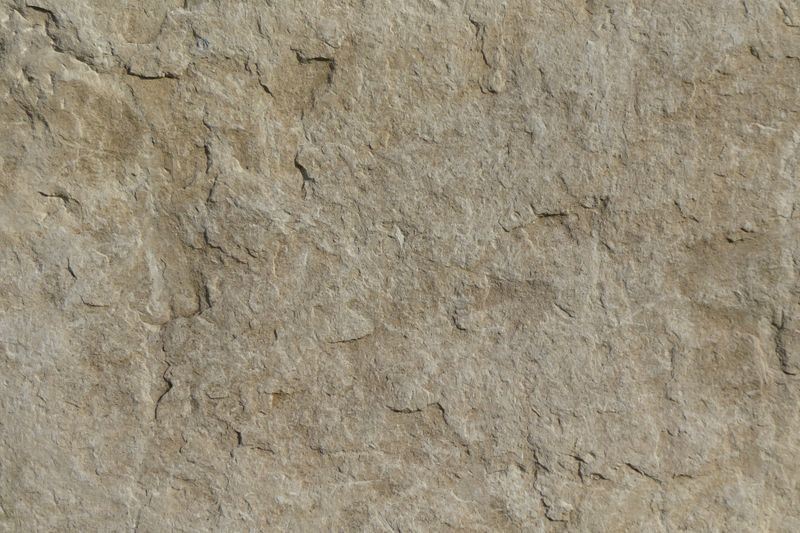
Limestone is comparatively soft and porous, takes a beautiful worn surface and marks readily with acids such as citrus and vinegar. Slate splits into layers by nature, giving a riven surface with texture that hides dirt but is harder to keep even underfoot.
Granite is dense, hard and almost inert, which makes it durable and rather unforgiving both to walk on and to cut. Marble is a recrystallised limestone, so it shares the acid sensitivity while being harder and taking a higher polish. Selling all of these under the single word stone hides the fact that their hardness and porosity differ enormously.
Weight is a structural question
Stone is heavy, and a floor of it adds a permanent load that a suspended timber floor may not have been designed to carry. Deflection matters as much as strength, because a floor that flexes slightly will crack rigid tiles and their grout. On a solid ground floor the issue is usually the build-up rather than the weight, since the added thickness changes door and threshold heights.
Any stone floor over a timber structure needs an assessment by a qualified professional before the material is ordered. That assessment often leads to strengthening or to an uncoupling layer, and both are cheaper to plan than to retrofit.
Why it feels cold
Stone conducts heat away from your foot rapidly, so it feels cold at the same room temperature at which timber feels neutral. The same conductivity is why stone works so well with underfloor heating, moving warmth into the room efficiently.
Thermal mass means a stone floor takes a long time to warm and a long time to cool, which suits steady heating and not intermittent bursts. In a room heated only in the evening, a stone floor will feel cold for most of that evening whatever the thermostat says. Insulation below the floor matters more than the stone itself, because otherwise the mass is connected to the ground.
Porosity, sealing and stains
Most natural stone absorbs liquid, and the rate varies from almost none in granite to considerable in some limestones. An impregnating sealer sits within the pores and slows absorption, giving time to wipe a spill rather than making the stone impervious.
Sealers wear away in traffic routes and need reapplication, which is ongoing maintenance rather than a one-off treatment. Acidic liquids etch calcium-based stones chemically, dulling the surface in a way that no sealer entirely prevents and no cleaning reverses.
Oil-based stains are the hardest to remove because the oil moves into the stone and darkens it from within.
Cleaning without damaging it
Acidic cleaners, including many descalers and some general household products, will etch limestone and marble on contact. Strongly alkaline cleaners can strip sealers, so the usual recommendation for stone is a pH-neutral product.
In practice, grit is the main cause of surface wear, so matting at entrances protects a stone floor more effectively than any coating. Steam cleaning is often discouraged on sealed stone because it can degrade the sealer over repeated use. Because guidance varies between stones and between suppliers, following the specific advice for the stone you have is more reliable than a general rule.
Taste is not the argument here; how a room performs is.
Laying, joints and living with it
Stone is laid on a bed that must be fully supported, since voids under a tile are where cracks begin under point loads. Movement joints are needed in larger areas and at changes of substrate, and omitting them is a frequent cause of failure.
Underneath it, natural stone varies in thickness and colour between pieces, so dry-laying a floor before fixing it is how you avoid an unfortunate patch. Hard floors are unforgiving to dropped crockery and to standing on for long periods, which matters in a kitchen. They also reflect sound, so a stone floor changes the acoustics of a room as much as it changes the look.
The takeaway
Match the stone to the room, check the structure before ordering, and keep grit and acid off the surface.
The best rooms look like a decision, not a purchase.
Questions readers ask
Does sealing a stone floor make it stain-proof?
No. An impregnating sealer slows absorption so you have time to wipe a spill. Acidic liquids can still etch calcium-based stones, which is chemical damage rather than staining.
Can I lay stone on a suspended timber floor?
Sometimes, but the weight and the deflection both need assessing by a qualified professional first. Rigid tiles crack on a floor that flexes.