Materials
Oil, wax and lacquer are three different bargains with a wooden surface
A finish decides how wood looks, how it feels, what marks it and whether a scratch can ever be fixed. Those four things pull in different directions.
This is written to be used rather than admired. Each section below is a decision about wood finishes, and each one has a default.
Before you start
- Film finishes protect well and repair badly; penetrating finishes do the reverse.
- Water rings in a film finish are moisture trapped in the film, not damage to the wood.
- Every finish alters the colour of the timber, most of them by darkening it.
Two families of finish
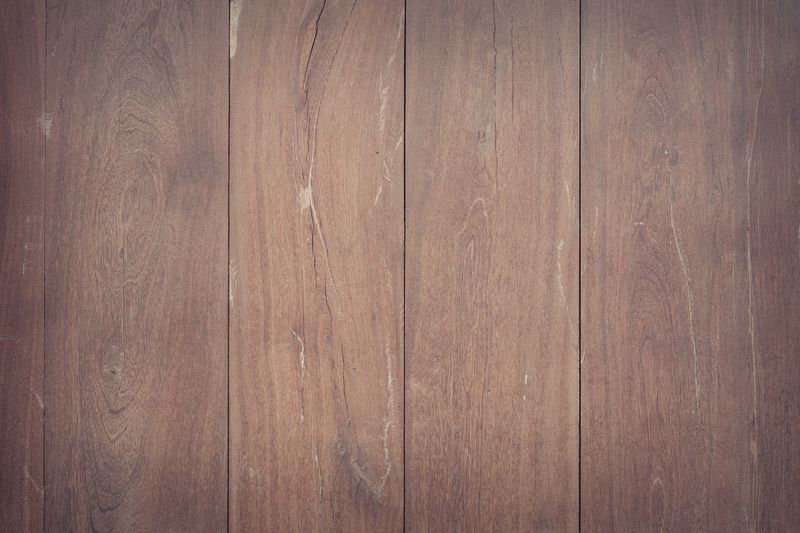
A film finish sits on top of the wood as a continuous layer, which is what makes it resistant to liquids and abrasion. A penetrating finish soaks into the fibres and cures within them, leaving the surface texture of the timber legible and touchable.
That difference explains almost everything else, because damage to a film is damage to a separate layer while damage to an oiled surface is damage to wood. Repairing a film usually means treating an area or a whole panel; repairing an oiled surface often means sanding a patch and reapplying. Neither is superior in general; they suit different tolerance for maintenance and different ideas of how a surface should feel.
Oil, and what it asks of you
Penetrating oils cure inside the timber, giving a low sheen that emphasises grain and leaves the wood feeling like wood. They resist very little on their own, so spills need attention quickly, and a puddle of wine left overnight will leave a mark. The compensation is repairability: a local scratch can be abraded and re-oiled, and it blends because there is no film edge to feather.
Underneath it, oiled surfaces need periodic reapplication, more often on a kitchen table than on a bedroom chest, and that is maintenance rather than failure. Cloths used with drying oils can generate heat as the oil cures and have been known to ignite, so they must be dried flat or immersed before disposal.
Wax, and its narrow role
Wax gives a soft lustre and a pleasant hand feel, and it offers very little real protection against water or heat. It works best over another finish or on furniture that is handled rather than used as a work surface.
The quieter point is that wax also complicates future work, because most other finishes will not adhere over it without thorough removal. On antique furniture it is often the correct answer, since it is reversible and consistent with what is already there. A waxed surface builds character with repeated application and buffing, which is part of why it persists on old pieces.
Lacquer, varnish and other films
Modern film finishes are durable, resist water and heat well, and are what almost all factory furniture arrives with. Their failure mode is different: they scratch visibly, they can cloud, and once the film is broken moisture can get underneath it. A white ring under a glass is moisture trapped within the film rather than in the wood, and it can sometimes be drawn out with gentle heat.
In practice, a dark ring means water has passed through the film into the timber, and that is a repair rather than a trick.
Refinishing a film usually means removing all of it, which is why a small area of damage can turn into a whole-surface job.
How finishes change colour
Almost every finish darkens timber and increases contrast between early and late growth, which is why a sample board matters more than a colour chart. Different species react very differently to the same product, and pale woods can shift markedly towards yellow under some oils. Ultraviolet light continues to change wood underneath a clear finish, so an area under a rug or a lamp base ages differently.
In practice, rearranging objects on a wooden surface every so often keeps the colour change even across the whole piece. Water-based films yellow less over time than some solvent-based ones, which matters on pale timber and hardly at all on dark.
Choosing by the room
A kitchen worktop, a dining table and a bathroom shelf all need water resistance more than they need touch, which points towards a film or a hard-wearing oil. A desk, a chest of drawers or a headboard is touched constantly and rarely wetted, which is where oil and wax are most enjoyable. Floors are a special case, taking abrasion rather than spills, and the trade there is between the ease of local repair and the frequency of full recoating.
The quieter point is that whatever the choice, testing on the underside or on an offcut avoids discovering the colour shift on the finished piece. Solvent-based products need real ventilation during application and curing, and the guidance on this differs between products and countries.
The takeaway
Pick a film where things get spilled, an oil where things get touched, and test the colour on an offcut first.
A room that is used will always beat a room that is finished.
Questions readers ask
Can I put oil over a lacquered table?
No. Oil needs to penetrate the timber and a film finish blocks it, so the oil sits on the surface and stays sticky. The old finish has to come off first.
How do I remove a white ring from a table?
A white ring is usually moisture trapped in the film. Gentle warmth, applied carefully through a cloth, often draws it out. A dark ring has reached the wood and needs refinishing.