Small Spaces
Renting well is a set of reversible decisions
You cannot change the building. You can change almost everything you experience of it, and take it with you.
This works through decorating a rented home in the order the parts actually depend on each other.
The short version
- Lighting, textiles and freestanding storage deliver most of the change.
- Anything screwed to a wall should be recorded and repairable.
- Buy for the next flat as well as this one.
Start with light
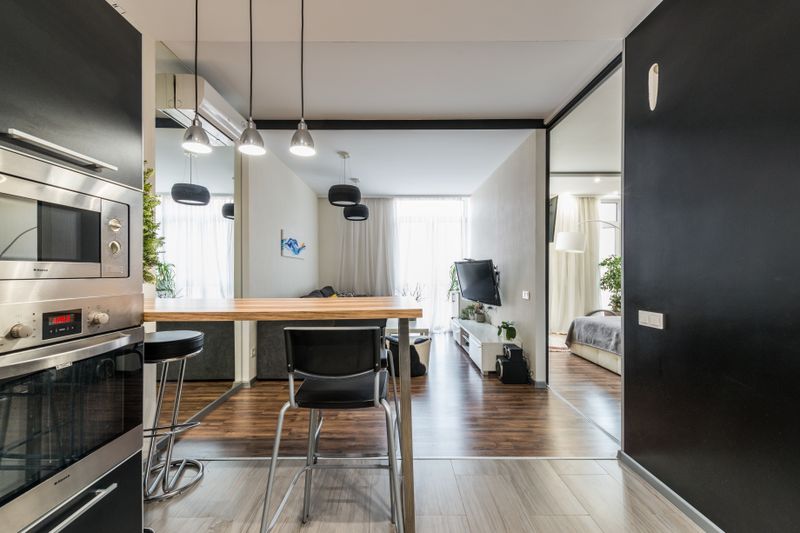
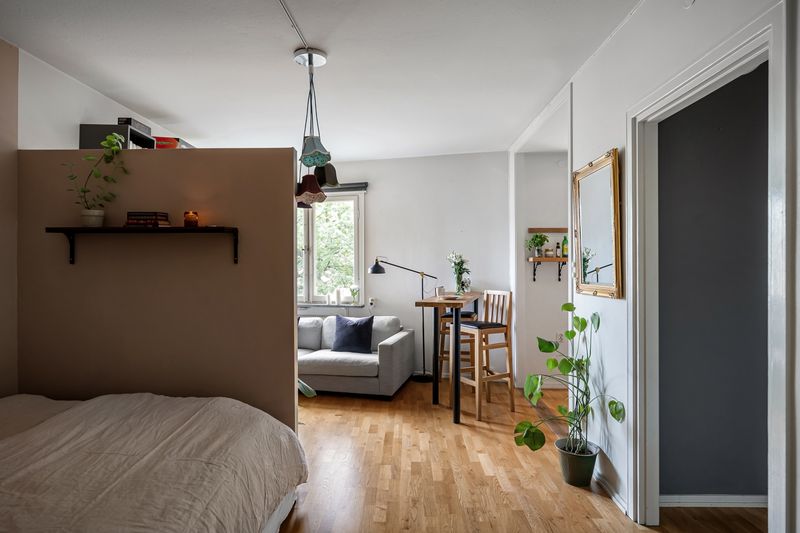
Replacing bulbs and adding lamps costs little, requires no permission and changes a rented room more than anything else available. Removing a harsh ceiling shade and replacing it, keeping the original, is usually uncontroversial and transformative. Smart bulbs allow scheduling and dimming without touching the wiring and come with you when you leave.
Almost every complaint about a rented flat feeling institutional is a lighting complaint.
Textiles do the second most
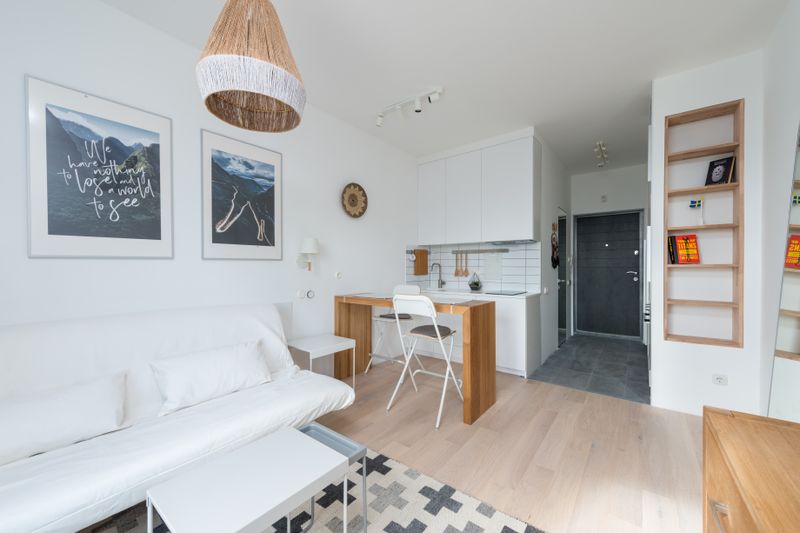
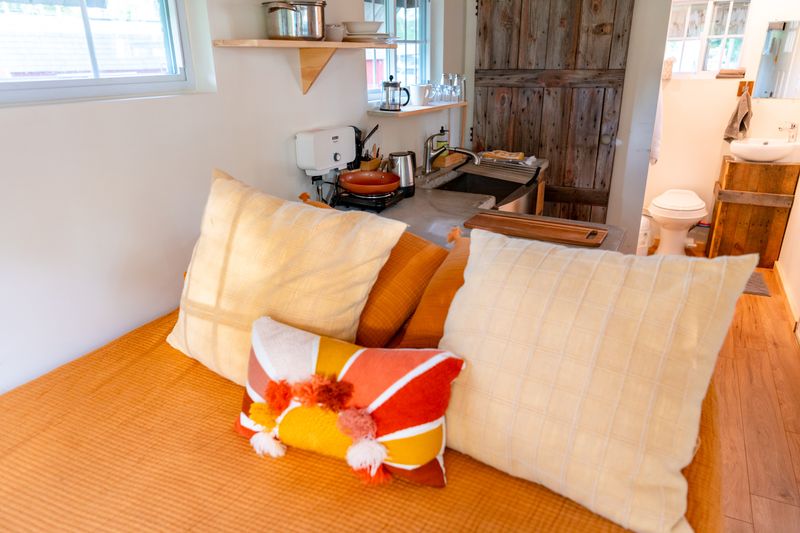
Rugs, curtains, cushions and throws cover unattractive surfaces, absorb sound and add the warmth that landlord finishes lack. A large rug over poor flooring is the single most effective visual intervention in most rented rooms. Heavier curtains also improve thermal performance measurably in older buildings.
Over years, that thermal effect depends far more on sealing the edges than on the weight of the cloth, because the loss is convection running down the cold glass and out along the floor, so a curtain stopping at the sill does little while one that overlaps the reveal and reaches the floor does a great deal.
Freestanding beats fitted
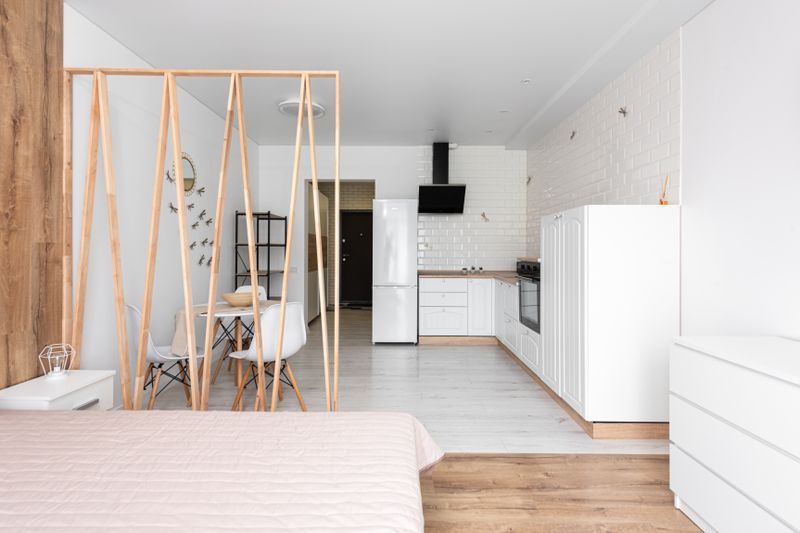
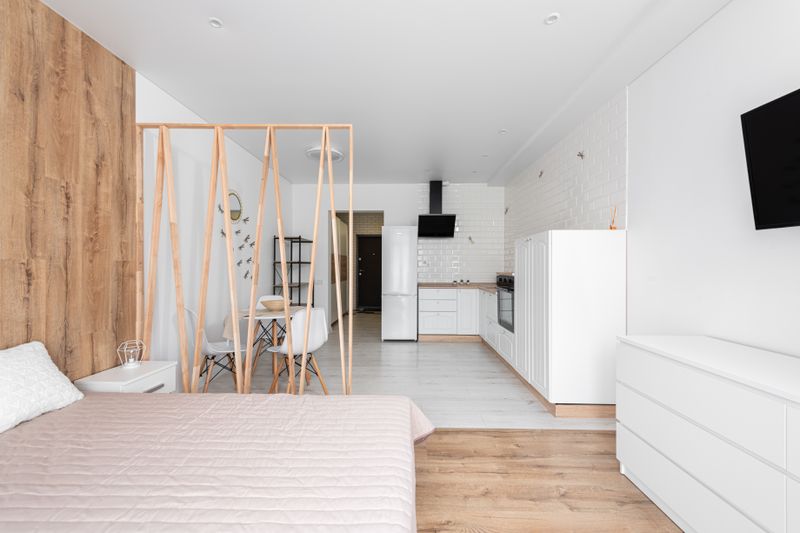
Shelving, wardrobes and storage that stand up on their own can be arranged, rearranged and taken away. Tension rods and freestanding rails achieve much of what fitted joinery does at a fraction of the commitment.
The test for any purchase is whether it will plausibly work in a flat you have not seen. The one exception to leaving the walls alone is anchoring, because tall shelving and wardrobes tip forward when a loaded drawer is opened or a child climbs them, and a single restraint bracket into the wall is both the standard safety measure and a hole no landlord objects to.
Handle the fabric carefully
Where you do fix things to walls, photograph the original condition, keep the fixings and use the correct filler on the way out. Most disputes at the end of a tenancy concern decoration and cleaning, and documentation resolves them.
In practice, asking permission in writing for anything significant is worth the awkwardness, and landlords frequently agree. The document that settles most disputes is the inventory taken at the start, so photographing and annotating existing damage in the first week, with dates, is worth more than anything assembled at the end, and many countries operate a deposit scheme that sets out how disagreements are decided and what evidence it will look at.
Fix the things that annoy you daily
A better shower head, a draught excluder, a working blind and a decent doormat cost little and are noticed every day. These are the items people postpone because the flat is temporary and then live with for years.
Most are removable, which means the calculation is about how long you will be there rather than about the property. One or two are not straightforwardly a tenant's to change, since an electric shower or one fed directly from a boiler has a flow rate the fitting has to suit and swapping the head can make it worse or fall outside what the tenancy allows, which makes it a question to ask rather than a purchase to make.
Some problems belong to the landlord, not to your decorating
Mould, heating that does not work, water coming in, dangerous wiring and gas appliances are repair obligations sitting with the landlord in many countries, and covering them with a rug or a coat of paint hides the evidence as well as delaying the fix. Report them in writing and keep the thread, because in most places a tenant's protection depends on having asked and on being able to show when the asking happened.
Damp housing is associated with respiratory symptoms, so where anyone in the household has asthma, a compromised immune system or a cough that will not clear, that is a matter for a doctor alongside the report to the landlord. What counts as disrepair, how long a landlord has to act and what a tenant can do when they do not vary enormously between countries and often within them, so check the rules that actually apply where you live rather than following guidance written for somewhere else.
The takeaway
Change the light, add a rug, and buy things that will move with you.
A room that is used will always beat a room that is finished.
Questions readers ask
Can I paint a rented flat?
Often yes with written permission, sometimes with a condition to return it to the original colour. Ask rather than assume; many landlords welcome redecoration.
What is worth buying if I move often?
Lighting, textiles, freestanding storage and anything that packs flat. Avoid anything sized to a specific alcove.