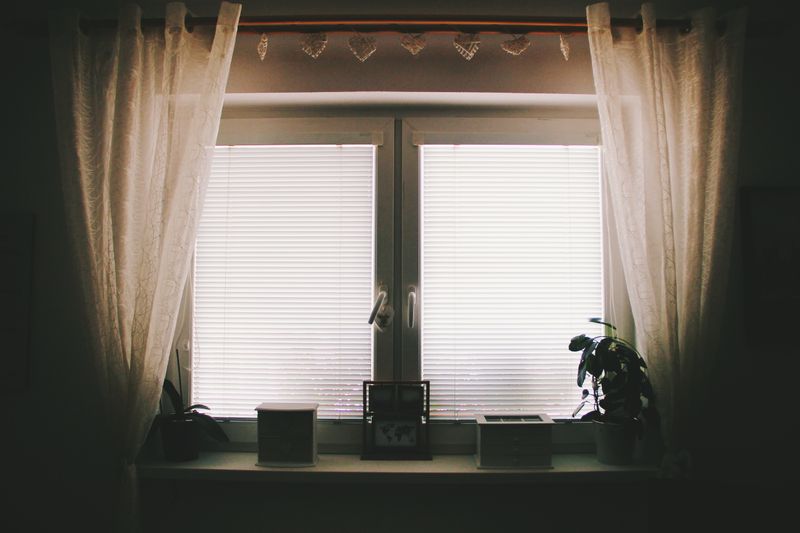
Light
A Room Changes Character Three Times Between Morning And Dusk
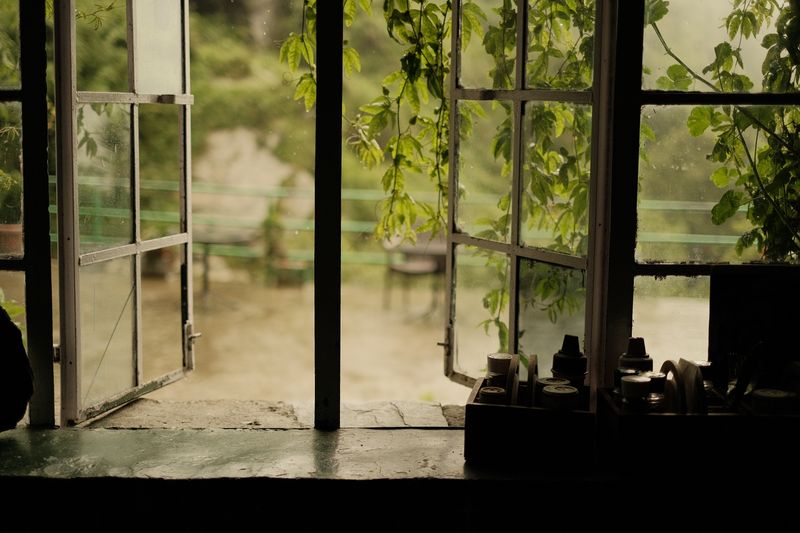
Daylight shifts in direction, colour and intensity across a single day, which is why a room seen once at a viewing can be misjudged completely.
A room is not one lighting condition but several, and they arrive in sequence. Judging a space from a single visit is judging one frame of a long film.
Direction moves through the day
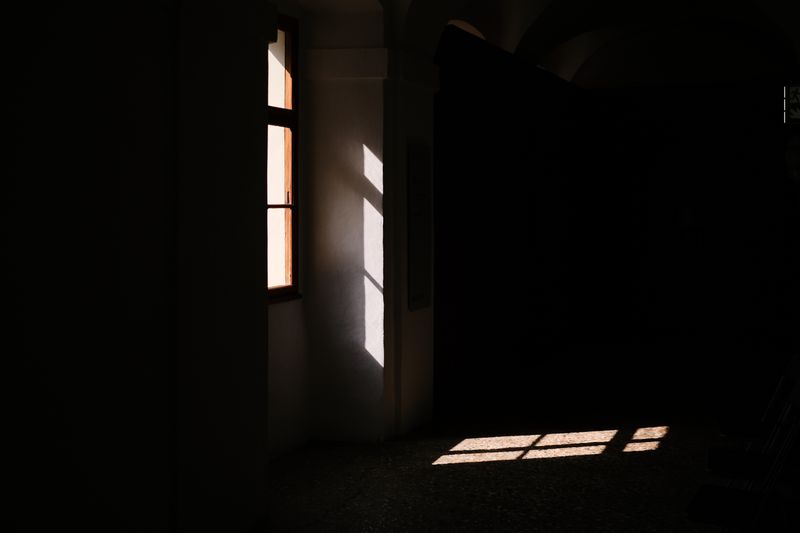
The sun tracks across the sky, so the angle at which light enters a window changes continuously. A room lit from one side in the morning is lit from another by mid-afternoon.
That movement redraws every shadow in the room. Furniture that looked crisply defined at one hour looks flat at another, without anything being moved.
It also determines when direct sun actually enters. A window can be bright all day and receive a beam of sunlight for only ninety minutes of it.
Colour shifts as the sun's height changes
Light near the horizon has travelled through much more atmosphere, which removes the cooler part of the spectrum and leaves the warm remainder.
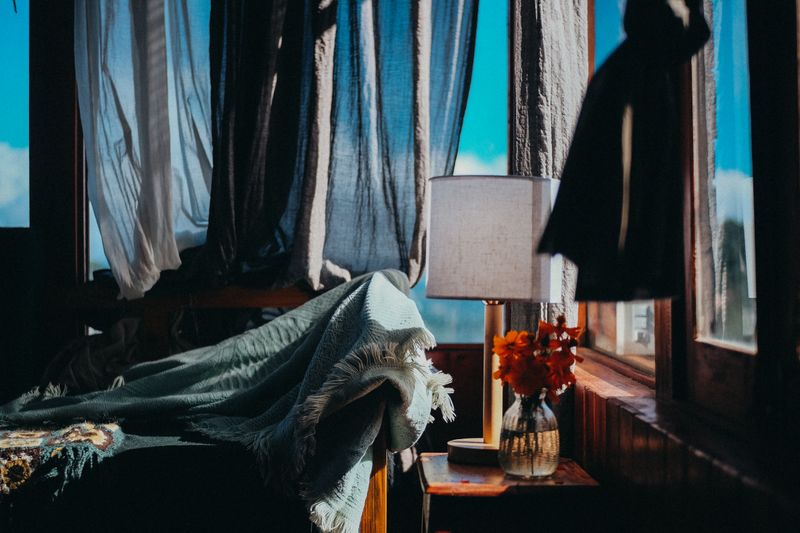
Midday light is comparatively neutral. Early and late light is markedly warmer, which is why the same wall reads cream at breakfast and pink at dusk.
A room facing away from the sun receives light bounced from the sky rather than direct, and sky light is cooler than sunlight for the same reason in reverse.
Intensity has an enormous range
The difference between a bright day and a heavily overcast one is far larger than the difference between any two artificial settings in the same room.
People adapt to this without noticing, which is why a room can feel adequately lit under conditions that a meter would show as dramatically different.
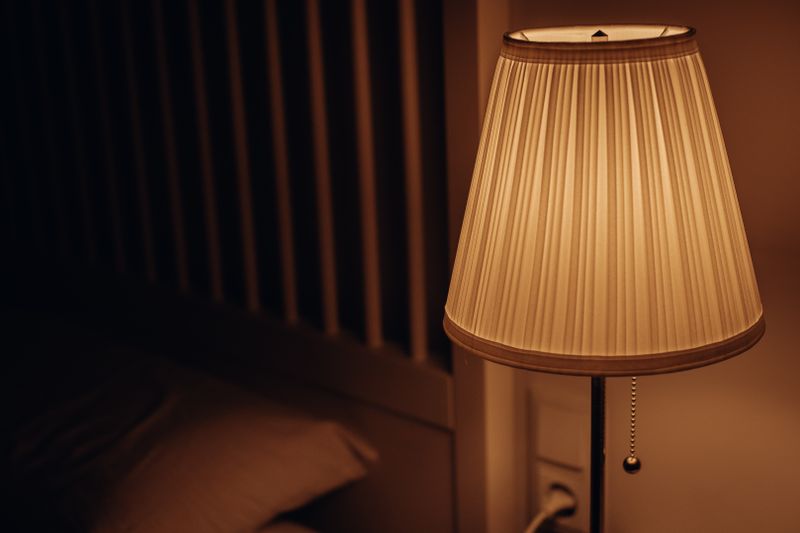
The consequence is that decisions made on a bright afternoon consistently underestimate how much artificial light the room will need in winter.
Three visits tell you more than one long one
Morning, mid-afternoon and the hour before dark show the three conditions that matter. A room that works in all three rarely disappoints later.
Seasonal difference sits on top of this. A high summer sun clears low obstructions that will block the same window entirely in December.
Anyone choosing paint, positioning a desk or planning where to sit is better served by the awkward hours than by the flattering one.
Designing for the sequence rather than the average
Rooms used mainly in the morning and rooms used mainly in the evening have different requirements, and the same plan cannot serve both well.
Matching activity to hour is usually cheaper than correcting the light. Putting the desk where the morning falls costs nothing and solves the problem outright.
Questions readers ask
Where should I hang a mirror to brighten a dark room?
On a wall adjacent to the window rather than opposite it, so it catches daylight at an angle and pushes it into the room instead of returning it to the glass.
Do mirrors really make a room look bigger?
They add apparent depth by reflecting space the eye reads as continuing. That only works if what they reflect is space rather than a blank wall.