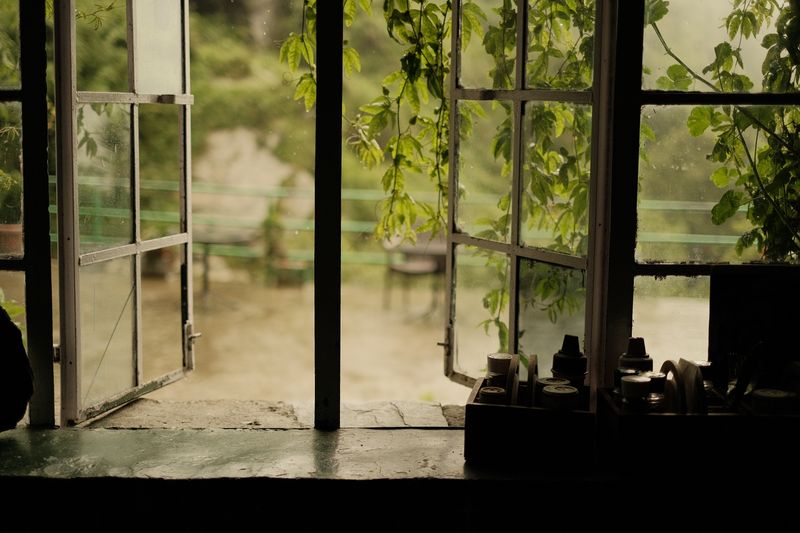
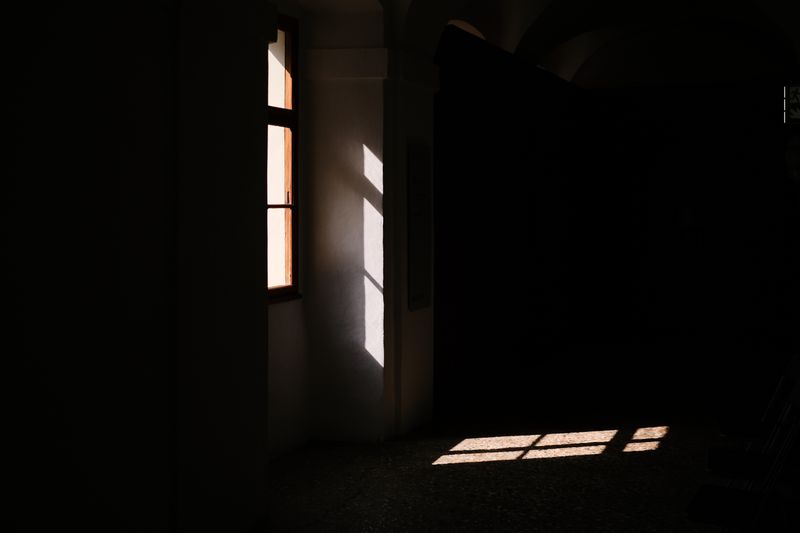
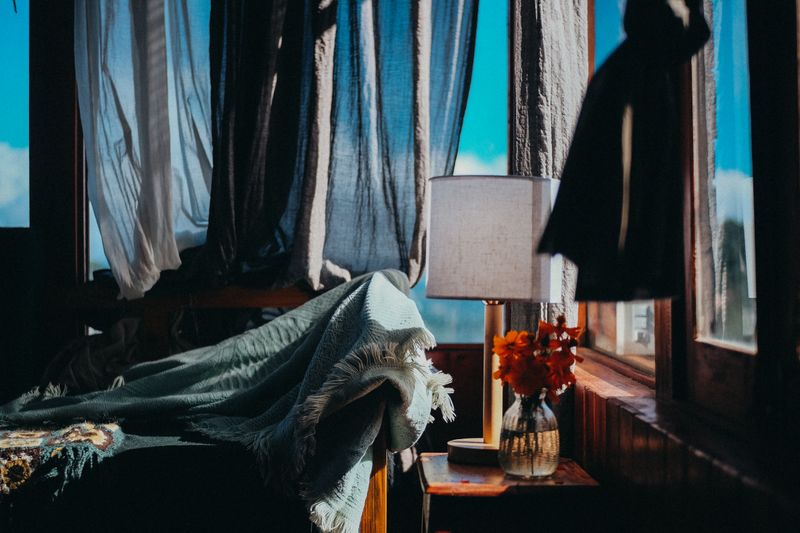
Light
Borrowed Light Reaches Rooms That Have No Window Of Their Own
Internal openings, glazed doors and fanlights move daylight from a bright room into a dark one, which is often easier than creating a new external window.

Some rooms cannot have a window. Borrowed light is the practice of moving daylight through the building from a room that has plenty to a room that has none.
The mechanism is simple redistribution
A bright room contains far more daylight than it can use. Light bounces around it, and a share of that reflected light will pass through any opening in an internal wall.
The receiving room gains a modest but genuinely daylit character, with the colour and the daily rhythm of real daylight rather than a constant electric level.
The donor room loses very little, because what leaves through the opening was going to be absorbed by the wall anyway.
The classic devices are older than they look
Fanlights above internal doors, glazed panels beside them, and windows set high in partition walls are all long-established solutions to the same problem.
They were common in deep terraced plans where inner rooms and stairwells had no external wall to draw on.
Modern versions include glazed internal doors, full-height glass partitions and openings left deliberately unfilled above head height.
Privacy and sound are the costs
Any opening that passes light will pass some sound, and glazing does less for acoustic separation than a solid wall of the same thickness.
Obscured or reeded glass keeps the light and removes the view, which is usually the right compromise for a bathroom or a bedroom.
Fire separation is a further consideration in some positions, particularly around stairs and escape routes, and the rules vary by building and by jurisdiction.
Position decides how much you gain
An opening high in the wall throws light deep into the receiving room, because it arrives at a shallow angle and reaches the far surfaces.
A low opening lights the floor immediately beyond it and little else, which is why transoms and clerestories are preferred where the aim is illumination rather than a view.
Pale surfaces on the receiving side matter disproportionately, since the quantity arriving is small and every reflection counts.
What it will and will not do
Borrowed light will make an internal room feel connected to the time of day and remove the sealed quality that a fully internal space has.
It will not provide enough light to work by on a dull day, so the room still needs its own artificial lighting. The two are complementary rather than alternatives.
Questions readers ask
Where should I hang a mirror to brighten a dark room?
On a wall adjacent to the window rather than opposite it, so it catches daylight at an angle and pushes it into the room instead of returning it to the glass.
Do mirrors really make a room look bigger?
They add apparent depth by reflecting space the eye reads as continuing. That only works if what they reflect is space rather than a blank wall.