Light
Evening light in a home is doing something to your sleep
The lighting choices that make a house feel calm at night are broadly the ones that interfere least with the body clock.
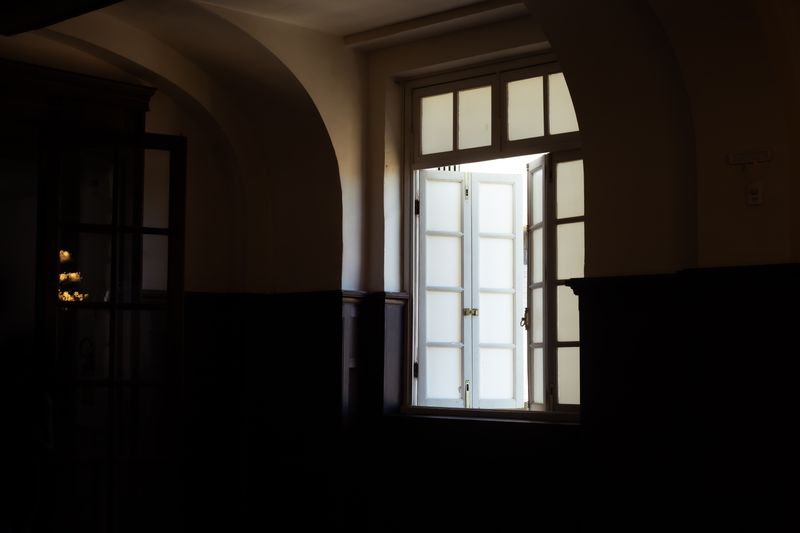
There is a short answer about light and sleep and a useful one, and they are not the same. What follows is the useful one.
The short version
- Light in the evening, particularly bright and blue-rich light, can delay sleep timing.
- Intensity and duration matter as well as colour.
- Morning daylight exposure is the other half of the same system.
What the research broadly shows
The body clock is set principally by light reaching specialised receptors in the eye that are most sensitive to blue wavelengths. Studies have generally found that bright evening light can delay the timing of melatonin release and of sleep onset, though the size of the effect varies a great deal between individuals. The strength of the effect depends on intensity, duration, wavelength and timing, not on any single one of them.
This is an area where popular advice has run well ahead of the evidence, so it is worth treating specific claims with some caution.
Intensity is the lever people ignore
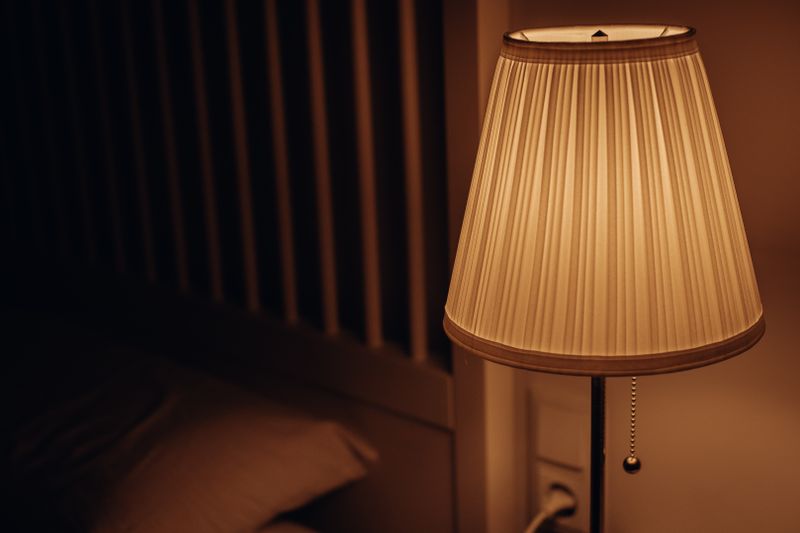
A dim warm lamp and a bright warm ceiling light are very different exposures even at the same colour temperature. Lowering overall light levels in the last hour or two of the evening is probably the most useful single change and is also the one that makes a room feel best. The practical version is simple: turn the big light off and use lamps.
In practice, it costs nothing, needs no equipment, and works whether or not the mechanism is exactly as described.
Colour temperature and warm dimming
Warmer light contains less of the short-wavelength energy the clock responds to, which is the basis of night modes and amber bulbs. Traditional incandescent lamps shifted warmer as they dimmed, and warm-dim LEDs deliberately reproduce that behaviour. Fixing a house at a cool colour temperature means every evening is lit like a mid-morning, which many people find subtly unsettling without identifying why.
A dedicated low warm setting for evenings is more effective than filters on individual devices.
Morning light is the other half
Exposure to bright daylight in the morning advances and strengthens the body clock, and it is far brighter than any indoor lighting. Even an overcast day outdoors is typically many times brighter than a well-lit room, which is why getting outside matters more than any bulb. People who struggle with sleep timing often need more morning light rather than less evening light.
Anyone with a persistent sleep disorder should see a clinician, because this is general information and not a treatment.
Designing a house around it
A separately switched low warm circuit — lamps, wall lights, plinth lights — lets a whole floor drop to evening levels in one action. Smart bulbs can schedule this automatically, which removes the reliance on remembering. Night-time routes to the bathroom benefit from very low warm floor-level lighting rather than a full ceiling light.
The quieter point is that bedrooms are the one room where the argument for a bright general light is weakest, and where it is most often installed anyway.
Anything structural belongs with a qualified professional, not an article.
What this does not mean
Screens are a light source among others, and a dim screen in a dim room is a smaller exposure than a bright ceiling light. Amber glasses and filters have been studied with mixed results and are not a substitute for simply having less light in the evening.
Nobody needs to sit in the dark; the goal is a gradual decline rather than a switch from bright to nothing. The best test is subjective: a room that feels restful in the evening is usually one that is lit in roughly the right way.
The takeaway
Turn the big light off after dark, use low warm lamps, and get outside in the morning.
Buy slowly. The gaps are not a problem.
Questions readers ask
Do blue light glasses work?
The evidence is mixed and generally weaker than the marketing suggests. Reducing overall light intensity in the evening has a better-established effect and costs nothing.
What colour bulb is best for a bedroom?
Warm, around 2700K or lower, and dimmable. Intensity matters at least as much as colour, so a low warm lamp beats a bright warm one.