Light
Shadow is the half of lighting that never gets planned
Lighting schemes are drawn as a list of fittings, but a room is read through the contrast between what is lit and what is not. Removing all the shadow removes the room.
Everything here earned its place by changing an outcome. Nothing about shadow and contrast is included to round the number up.
What matters most
- The eye reads depth from the gradient between light and dark, not from brightness alone.
- Even light from every direction flattens texture and makes a room look like a photograph of itself.
- Useful shadow and unwanted shadow are distinguished by whether they fall on a task.
Why shadow carries information
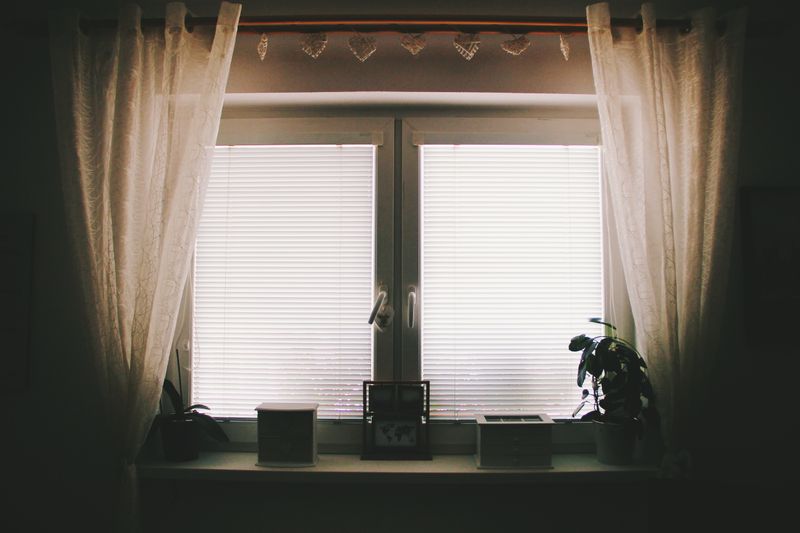
The brain judges shape and depth largely from how light falls off across a surface, which is why a sphere lit evenly from all sides reads as a flat disc. A room lit from many directions at once loses those gradients, and the result reads as blank rather than as bright. Texture becomes visible only when light arrives at an angle, so plaster, brick, timber and fabric all need directional light to be seen.
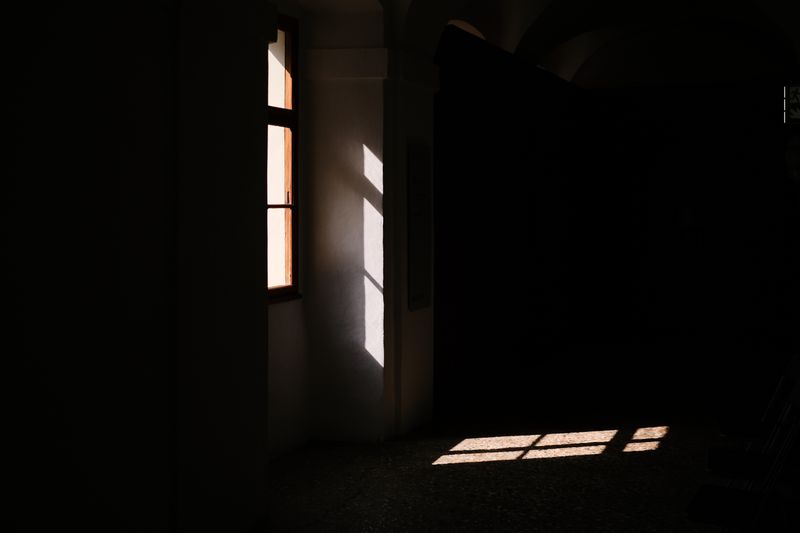
This is why the same room can look extraordinary in low evening sun and utterly ordinary at midday. A scheme designed to eliminate shadow eliminates most of the visual interest along with it.
Useful and unwanted shadow
A shadow is unwanted when it falls on something you are trying to do, such as a chopping board, a page or a face in a mirror. It is useful when it defines a corner, gives a wall texture, or creates a darker zone that makes a lit area feel intimate. The distinction is functional rather than aesthetic, and it tells you where to put light and where to leave it out.
Over years, task areas need light arriving from a direction that keeps your own body out of the beam, which is usually from the side and slightly in front. Everywhere else, some fall-off is what stops a room feeling like a corridor of an office building.
Grazing, washing and the difference
Light placed close to a surface and aimed along it grazes the surface, exaggerating every irregularity into a pattern of small shadows. That effect is glorious on stone, brick and rough plaster and merciless on a plasterboard wall that is not perfectly flat.
Light placed further away and aimed more squarely washes the surface, producing even brightness and suppressing texture. Choosing between the two is really a decision about whether the wall is worth showing in detail. The same fitting produces either result depending only on its distance from the wall, which makes position the important variable.
Contrast ratios and comfort
The eye adapts to the brightest thing in view, so a very bright source makes everything else read as darker than it is. A comfortable room has moderate contrast between the lit area and the surrounding surfaces, rather than pools of light in near darkness. Reading in a bright pool in an otherwise dark room forces the eye to readapt every time it looks up, which is tiring.
Adding a low level of general light around a task, rather than more light on the task, usually solves complaints of eye strain. In the evening, lowering the overall level lets moderate contrast do the work, which is why the same room needs different settings at different hours.
Ceilings, corners and where darkness helps
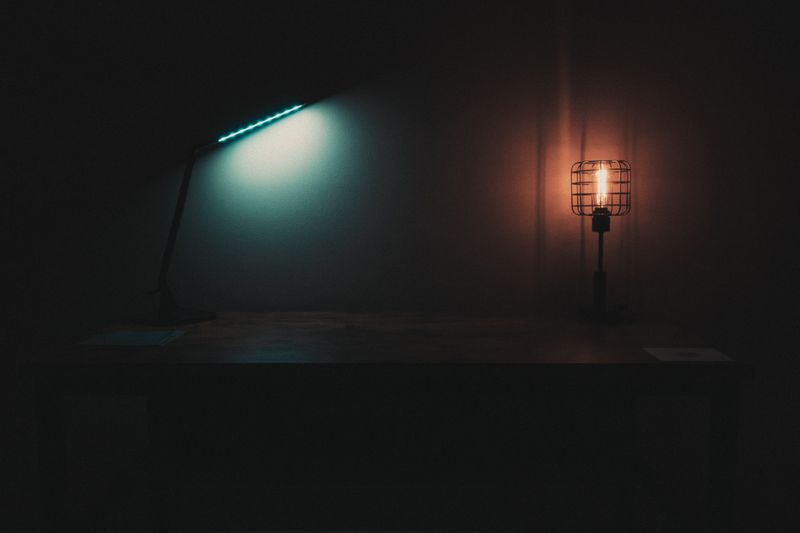
A dark ceiling lowers a room visually, and in a very tall room that can be exactly the right move. Corners left unlit make a room read as continuing beyond what you can see, which adds a sense of depth. Lighting every corner equally is the most common way a well-intentioned scheme ends up feeling clinical.
Live with it a while and a single lit object at the far end of a room draws the eye through the space and makes it feel longer. Deciding what should be dark is as much a design decision as deciding what should be lit.
Anything structural belongs with a qualified professional, not an article.
Testing a scheme before committing
Moving a portable lamp around a room in the evening reveals what wants lighting far more reliably than a ceiling plan does. Photographing the result flattens contrast and exaggerates bright spots, which is why lighting that photographs well can be uncomfortable to sit in. Looking at where your own shadow falls while you work at a surface identifies the fittings that will be useless before they are installed.
The quieter point is that trying a scheme at the actual hour the room is used matters, since daylight fills shadows that lamps alone will not. Since fixed lighting alterations are electrical work with rules that vary by country, testing with plug-in lamps first is both cheaper and safer.
Everything above, in order of what to do first
- Why shadow carries information. The brain judges shape and depth largely from how light falls off across a surface, which is why a sphere lit evenly from all sides reads as a flat disc.
- Useful and unwanted shadow. A shadow is unwanted when it falls on something you are trying to do, such as a chopping board, a page or a face in a mirror.
- Grazing, washing and the difference. Light placed close to a surface and aimed along it grazes the surface, exaggerating every irregularity into a pattern of small shadows.
- Contrast ratios and comfort. The eye adapts to the brightest thing in view, so a very bright source makes everything else read as darker than it is.
- Ceilings, corners and where darkness helps. A dark ceiling lowers a room visually, and in a very tall room that can be exactly the right move.
- Testing a scheme before committing. Moving a portable lamp around a room in the evening reveals what wants lighting far more reliably than a ceiling plan does.
The takeaway
Decide what should be dark as deliberately as what should be lit, and move a lamp around before wiring anything.
The best rooms look like a decision, not a purchase.
Questions readers ask
Is it wrong to have dark corners in a room?
No, they are usually what makes a room feel like a place rather than an interior. Shadow becomes a problem only when it falls on something you are trying to do.
Why does my kitchen have shadows on the worktop?
The light is behind you, so your own body blocks it. Light needs to come from in front and slightly to the side, which is why under-cabinet lighting works.