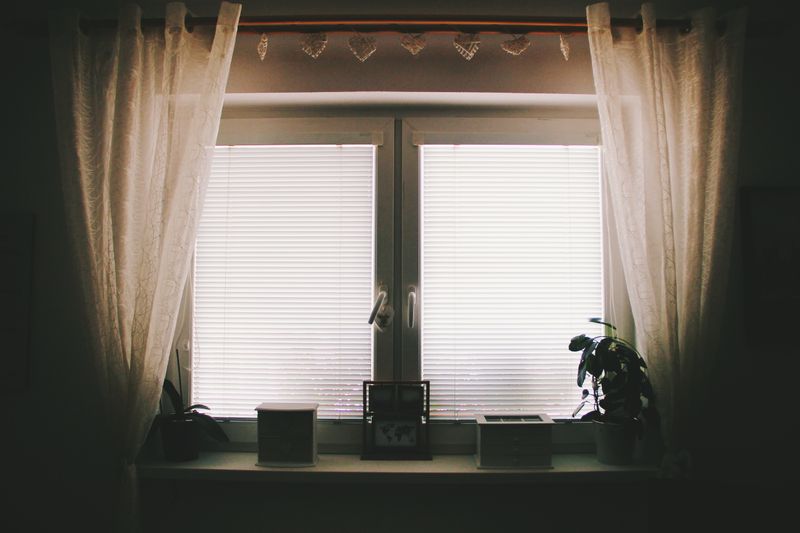
Light
Paint colour is a conversation between the pigment and the light in the room
A colour that looked right on a card can look grey, green or lilac on the wall. The paint has not changed; the light reaching it has.
This is written to be used rather than admired. Each section below is a decision about colour under light, and each one has a default.
Before you start
- A surface can only reflect wavelengths that the light source actually emits.
- Two colours can match under one light and differ under another.
- North light stays cool and even, while west light shifts warm late in the day.
Why the same paint looks different in two rooms
Colour is what a surface reflects after absorbing the rest, so it depends entirely on the composition of the light landing on it. Daylight contains a full spread of wavelengths, and a lamp may be missing parts of that spread altogether.
A pigment that relies on the missing part will look dull or shifted, and no amount of extra brightness restores it. This is why a colour chosen in a shop under one kind of lighting so often disappoints on a wall at home. It is also why the same tin produces visibly different results in a north-facing bedroom and a south-facing kitchen.
Orientation and time of day
North light in the northern hemisphere is cool, steady and shadowless, and it tends to bring out the grey and blue in a colour. South light is stronger and warmer through the middle of the day, and it can wash out a pale colour entirely at midday.
East-facing rooms get warm light early and cool neutral light for the rest of the day, which suits colours that hold up in both. West-facing rooms swing furthest, sitting cool for most of the day and then turning strongly warm in the evening. Because rooms are used at different hours, the correct question is what the colour does at the time you are actually in the room.
Undertone is what surprises people
Most so-called neutrals are mixed from several pigments, and the minor ones dominate the appearance under certain lighting. A warm off-white with a yellow undertone can read as distinctly green in cool north light, next to a cool white. Comparison is what reveals this, which is why an undertone invisible on a card becomes obvious against a white ceiling.
Testing colours next to each other, rather than one at a time, is the reliable way to see what a colour is really made of. The undertone also decides which other colours in the room will sit comfortably beside it.
Metamerism and matching
Two surfaces can match perfectly under one light source and diverge visibly under another, which is called metamerism. It is the reason a touch-up from a different batch, or a repaired area, sometimes appears only in the evening. Matching a colour across different materials, paint to fabric to timber, is where this problem bites hardest.
Live with it a while and the practical defence is to compare samples under every light the room actually receives, including the lamps used at night.
Where an exact match matters, choosing all elements together under one consistent light is more reliable than matching sequentially.
Testing properly
Painting a sample directly onto a wall means the existing colour beneath influences what you see, particularly with thin coats. Painting two coats onto a large piece of board that can be moved around the room removes both problems at once. Leaving those boards up for several days lets you see the colour in morning light, in overcast light and under lamps.
Viewing a sample flat on a wall differs from viewing it in a corner or on a ceiling, because the angle changes the light it receives. The finish matters as much as the colour, since a sheen reflects the light source directly and alters the apparent tone.
Budgets and buildings differ, and old buildings differ most.
Making a colour work rather than replacing it
Changing the lamps in a room can rescue a colour that seemed wrong, particularly where colour rendering is poor. A warmer lamp brings out warmth in a paint that looked cold, though it will affect every other colour in the room too.
The quieter point is that ceiling colour influences everything below it, because a pale ceiling bounces light back onto the walls and floor. Large areas of a strong colour intensify each other by reflection, so a colour on four walls reads much stronger than on one. If a colour is wrong in only one part of the day, adjusting curtains and lamps is a cheaper fix than repainting.
The takeaway
Test two coats on a movable board, look at it at the hours you use the room, and judge colours side by side.
Buy slowly. The gaps are not a problem.
Questions readers ask
Why does my grey paint look purple?
Grey is mixed from several pigments and one of them dominates under certain light. Cool daylight commonly reveals a blue or violet undertone that was invisible on the card.
Should I test paint on the wall or on a board?
On a board with two coats, moved around the room and looked at across several days. Painting straight onto an existing colour distorts what you see.