Light
Your Eyes Adapt, Which Is Why Brightness Is Hard To Judge
Vision adjusts continuously to the light available, so a room feels adequately lit at levels that differ enormously, and comparison rather than impression is what reveals it.

People are poor judges of how bright a room is. The visual system adapts so effectively that very different conditions can feel similar, and that shapes every lighting decision made by eye.
Adaptation works over an enormous range
The eye handles conditions from full sun to a dim interior, a range far wider than any single setting could span. It does this by adjusting sensitivity rather than by reporting absolute levels.
The pupil contributes a little, but most of the adjustment happens in the retina and takes time, which is why walking into a dark room is briefly disabling.
The consequence is that a room does not feel like a measured brightness. It feels like a comparison against whatever you were in a moment ago.
This is why rooms are consistently under-lit
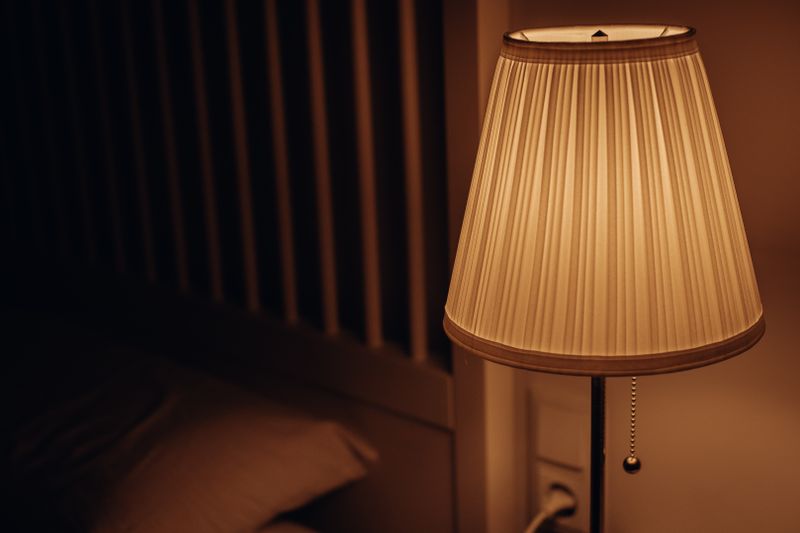
A room lit only in the evening is judged against the darkness outside, and almost anything reads as sufficient by that standard.
The same room, entered from a bright kitchen or from outdoors on a clear day, suddenly looks dim. Nothing has changed except the reference point.
Decisions made in one condition therefore fail in another, which is the root of most complaints that a room is gloomy without an obvious cause.
Contrast within a room matters more than the average
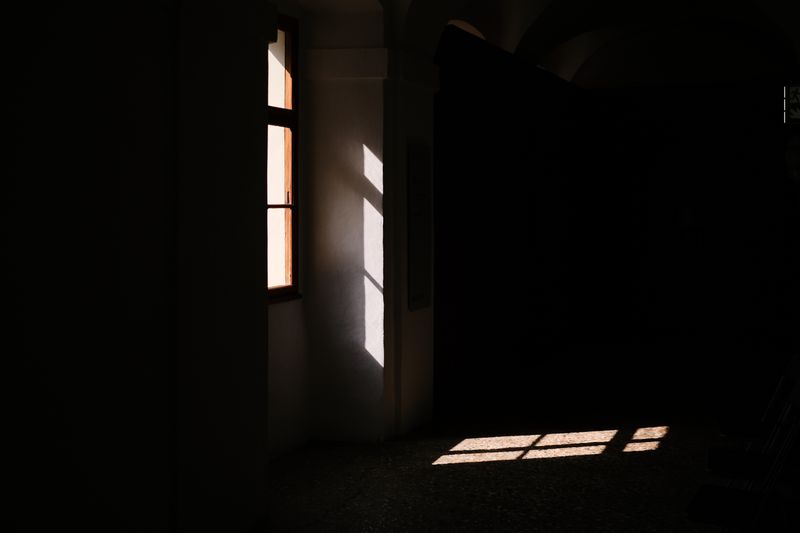
Once adapted to a bright area, the eye reads the surrounding darker areas as darker than they measurably are. High contrast makes dim corners disappear.
A room with one very bright fitting and unlit walls will feel darker overall than the same room lit more evenly at a lower total output.
Reducing the brightest thing in a room is often a more effective remedy than adding light to the dimmest.
Screens complicate the picture
A bright display in a dark room forces the eye to adapt to the screen, after which everything around it appears black and the constant readjustment is tiring.
A modest amount of light behind and around a screen narrows the gap, and the eye stops working so hard to reconcile the two.
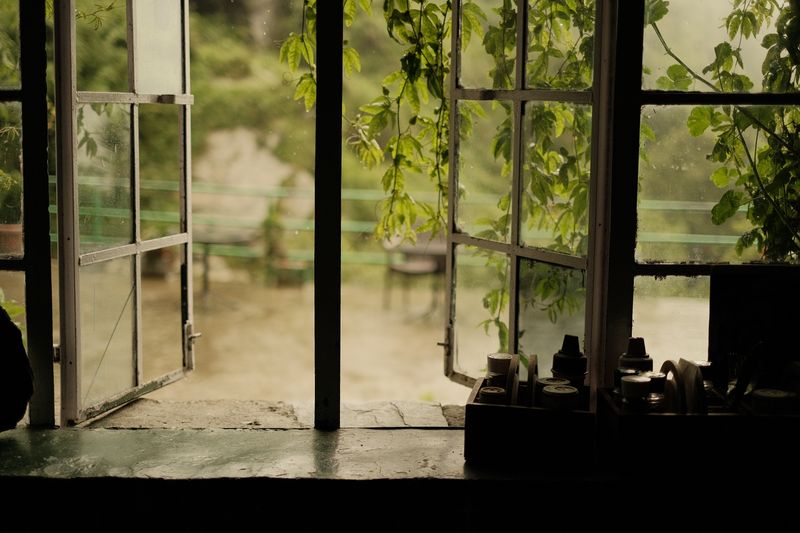
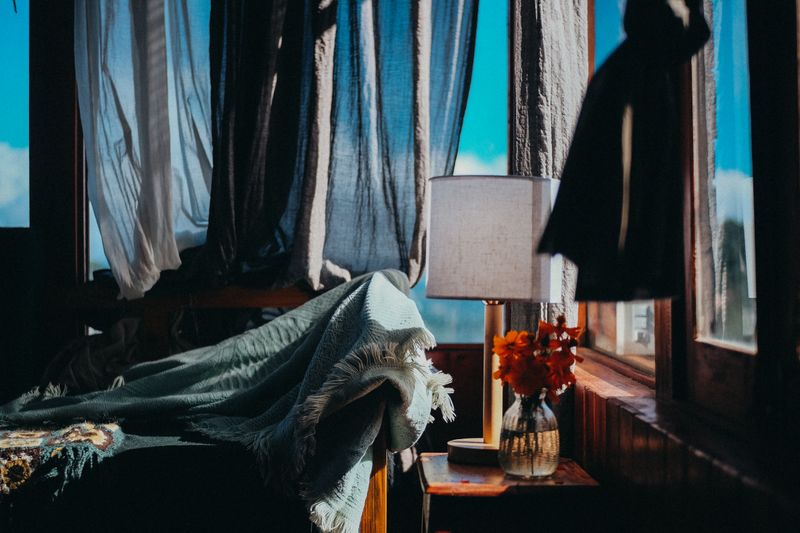
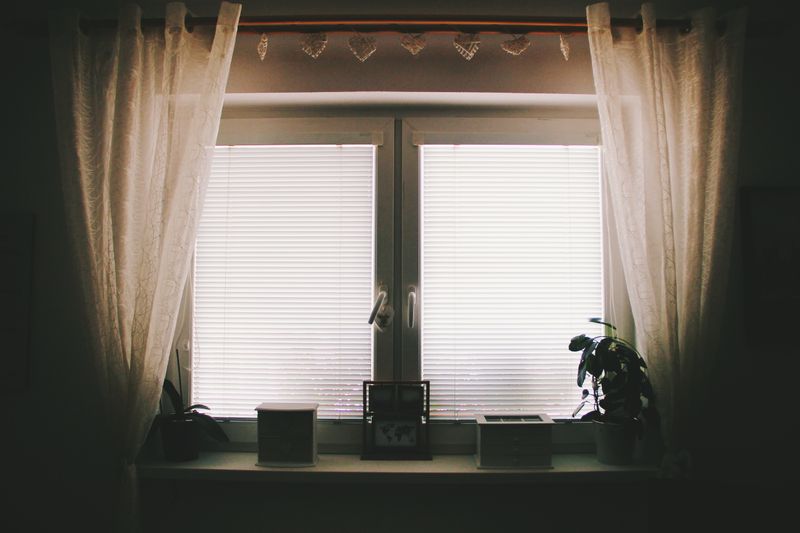
The same reasoning applies to a window in daytime, which is frequently far brighter than anything else in the room.
How to judge a room honestly
Compare rather than assess. Stand in the room, then in an adjacent one, then return, and the difference in level becomes obvious in a way it never is from inside.
Photographs help for the same reason, since a camera has far less adaptive range than the eye and shows what is genuinely dark.
Questions readers ask
Where should I hang a mirror to brighten a dark room?
On a wall adjacent to the window rather than opposite it, so it catches daylight at an angle and pushes it into the room instead of returning it to the glass.
Do mirrors really make a room look bigger?
They add apparent depth by reflecting space the eye reads as continuing. That only works if what they reflect is space rather than a blank wall.