Light
Light outside the house changes how the inside feels
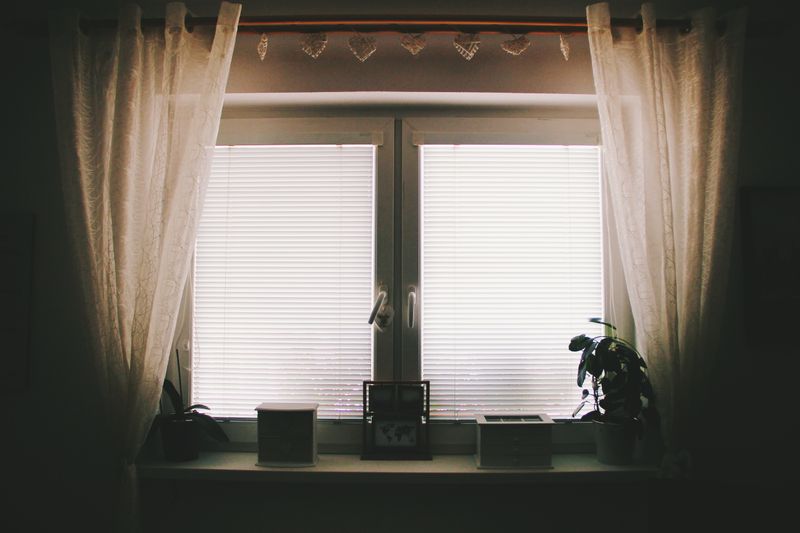
A dark window at night is a mirror. Put anything beyond it and the room stops ending at the glass.
Everything below about outdoor lighting comes from what actually happens rather than from what is supposed to.
What holds up in practice
- An unlit window at night reflects the room back and closes the space.
- Low-level warm outdoor light extends the perceived size of a room.
- Excess brightness outdoors causes glare and disturbs wildlife and neighbours.
Why a dark window shrinks a room
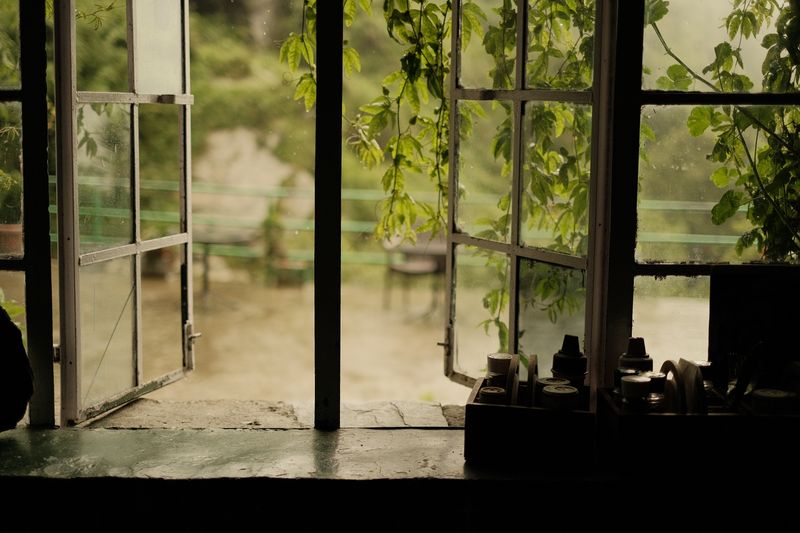
When it is brighter inside than out, glass behaves as a mirror and the room appears to end at the pane with your own reflection in it. Putting even a small amount of light beyond the glass — a tree, a wall, a path — reverses that and the eye reads through to the distance.
This is why a lit garden makes a living room feel considerably larger in winter, when the room is used most. It is one of the few interventions that improves an interior without anything happening inside it.
Light objects, not areas
A floodlight aimed at a lawn produces a bright empty rectangle and a lot of glare back through the window. Lighting specific things — the trunk of a tree, a textured wall, a step, a pot — creates depth, because the eye reads several distances. Two or three small warm sources do this far better than one powerful one.
Aiming them away from the house, and away from where anyone sits, keeps the sources themselves out of view.
The threshold does the practical work
A light at the door that comes on as you approach solves keys, locks, steps and deliveries all at once. Movement sensors are more useful than timers because they respond to the actual event and stay off the rest of the night. A shielded downward fitting at the door avoids blinding the person arriving, which a bare bulb at head height does reliably.
Live with it a while and steps, level changes and the edge of a path are where lighting stops being decorative and becomes a safety measure.
Brightness is almost always excessive
Outdoor light levels need to be far lower than indoor ones because the eye is dark-adapted, and a fitting that seems modest in daylight is dazzling at night. Very bright security floodlights create deep shadows next to the lit area and destroy your night vision, which can make things less visible rather than more. Warm colour temperatures below about three thousand kelvin are less disruptive to insects and wildlife and less intrusive to neighbours.
Aiming downward, shielding the source and using the minimum output that works is both better lighting and better neighbourliness.
Balconies and small outdoor spaces
A balcony or a yard lit as a room becomes visually part of the flat, which is a large gain for a very small outlay. Battery, solar or plug-in fittings avoid any electrical work, which matters particularly in rented homes. Warm low light along the boundary or up a wall works better than a single point, which reads as a light rather than a place.
In practice, any permanent outdoor electrical installation should be done by a qualified electrician using fittings rated for exposure.
Anything structural belongs with a qualified professional, not an article.
Practical requirements outdoors
Outdoor fittings need an ingress protection rating suitable for their exposure, and corrosion resistance appropriate to the location. Coastal and exposed sites are much harsher, and stainless steel of an inadequate grade will stain and fail within a couple of seasons.
Cabling outdoors is regulated in most countries and buried cable has depth and protection requirements. Low-voltage garden lighting systems are simpler and safer for a homeowner to extend, and are worth considering for that reason alone.
The takeaway
Light one thing beyond the window, keep it warm and low, and shield everything so you never see the source.
The best rooms look like a decision, not a purchase.
Questions readers ask
Will garden lighting make my living room feel bigger?
Noticeably, at night. The glass stops acting as a mirror and the eye reads out to the lit object, which extends the perceived depth of the room.
How bright should outdoor lights be?
Much dimmer than you expect. The eye is dark-adapted outdoors, so low warm output aimed downward at specific objects works better than a floodlight and causes far less glare.