Small Spaces
Guests In A Small Home Are A Two-Night Furniture Problem
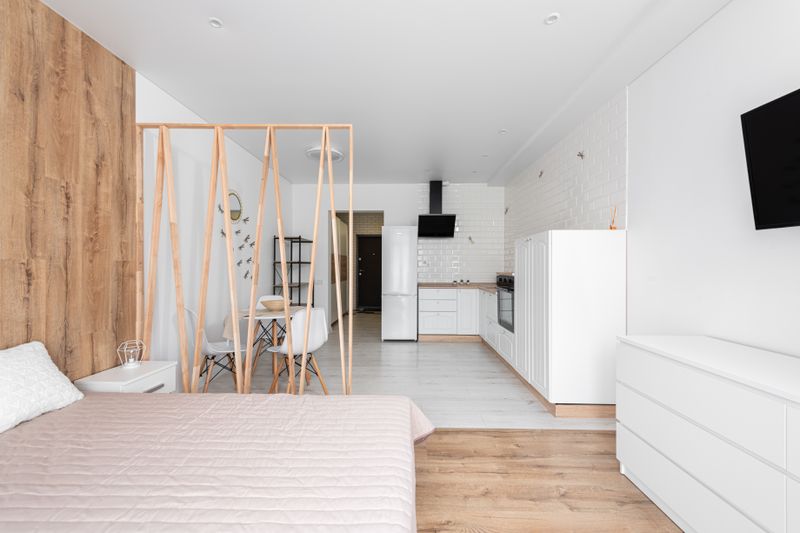
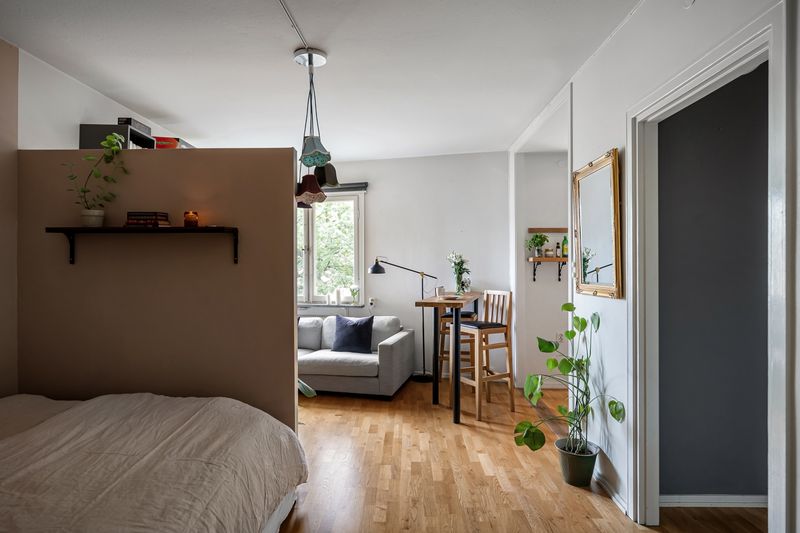
Hosting occasionally in a compact home means accommodating a bed, luggage and privacy for a short period without keeping furniture that is unused all year.
A small home can host people comfortably. The difficulty is that the requirement lasts a couple of nights and the furniture bought to meet it lasts all year.
The bed is the smallest part of the problem
Somewhere to sleep is easily arranged. What is harder is where the guest's belongings go, where they change, and where they can be alone for an hour.
Luggage in particular needs floor area that is not on the route between the bed and the door, and a suitcase left open occupies more than most people allow for.
A shelf, a hook and a metre of clear floor solve more of the guest problem than the choice of mattress does.
Convertible furniture is a compromise in both directions
A sofa bed is a mediocre sofa and a mediocre bed, and it is used as a sofa for the overwhelming majority of the year.
That argues for choosing it primarily as a sofa, since the comfort that matters daily should outweigh the comfort that matters twice.
Furniture that folds away entirely avoids the compromise but needs storage volume when not in use, which a small home may not have either.
Privacy is achieved with time rather than walls
A guest sleeping in a living room has no door, and the household's routine determines whether that is workable.
Agreeing when the room becomes a bedroom, and when it reverts, gives a guest a predictable private period without any building work.
A curtain or a screen adds visual separation cheaply, and its main function is signalling rather than actual enclosure.
Bathroom access is the real pressure point
One bathroom shared by more people creates a queue at fixed times, and that is felt more acutely than any shortage of space.
Staggering morning routines removes most of it, and somewhere for a guest to keep their things other than the floor removes the rest.
A shelf or a hook allocated for the visit prevents the bathroom from becoming the place where the guest's possessions accumulate.
Store the equipment where it does not intrude
Spare bedding, a folding bed and an air mattress are bulky and used rarely, which makes them ideal candidates for the least accessible storage available.
High shelves, the tops of wardrobes and under-bed drawers suit things retrieved twice a year, and reserving that space for them keeps daily storage free.
Questions readers ask
Can I put heavy planters on my balcony?
Only within its design load, which you will not know by looking. Wet soil is heavy, and in an older building the question belongs to a structural engineer and the building owner.
Why do my balcony plants keep dying?
Usually wind and drought rather than cold. Containers dry out fast in moving air, so use larger pots and choose plants adapted to exposure.