Small Spaces
Sightlines Make A Small Flat Feel Larger Than Its Plan
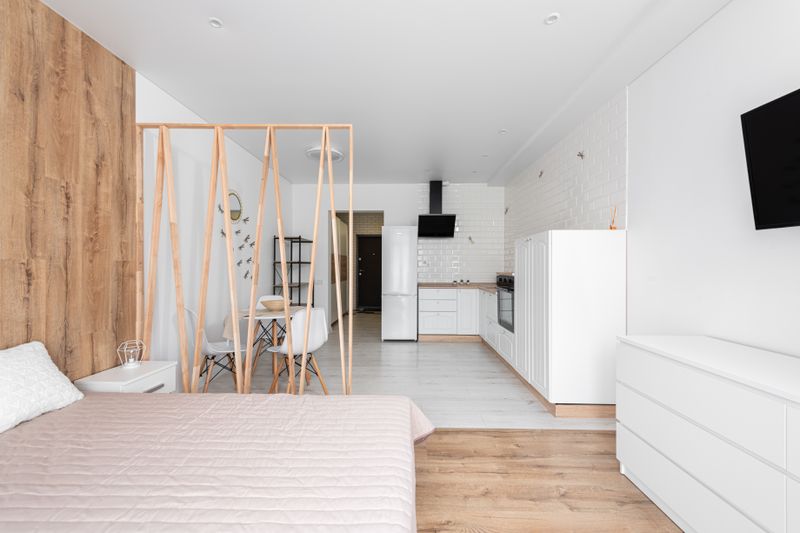
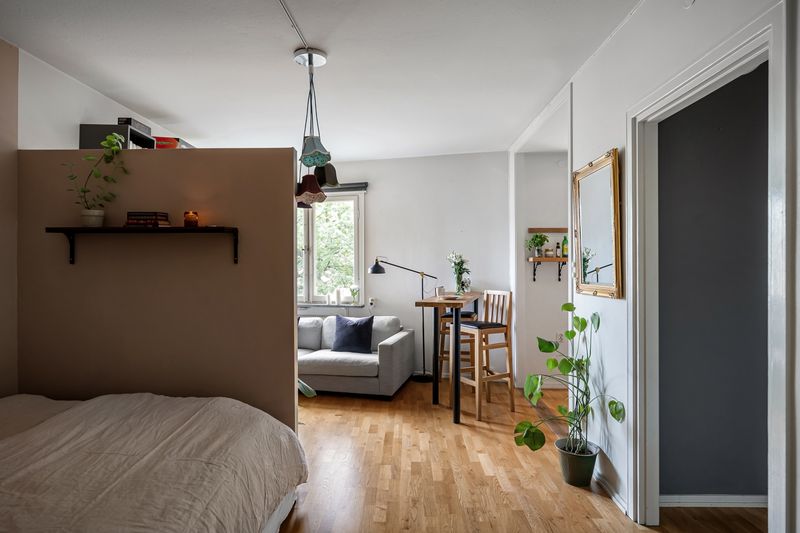
Perceived size depends on how far the eye can travel uninterrupted, so a long diagonal view across a small home matters more than the floor area itself.

Two homes of identical area can feel completely different in size. A large part of the difference is how far you can see from where you habitually stand.
The eye estimates space by depth
Judgement of size relies heavily on the longest available view, because distance gives the visual system something to measure against.
A room in which the furthest visible point is two metres away reads as small regardless of its actual dimensions.
Preserving one long view, usually the diagonal, is therefore worth more than any amount of pale paint.
The diagonal is the longest dimension available
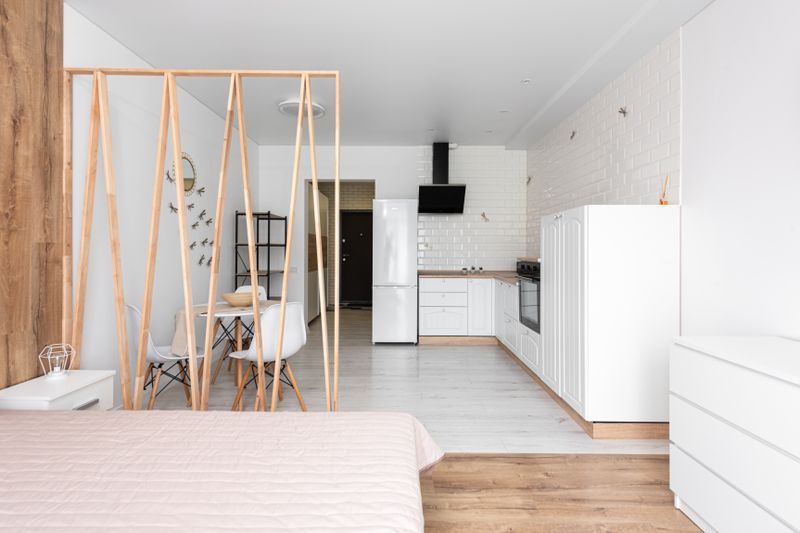
In any rectangular room the corner-to-corner distance exceeds both the length and the width, and it is free.
Arranging furniture so that this diagonal stays clear, rather than blocking it with a tall piece in a corner, uses the room's largest dimension.
It also affects where seating should face, since a chair looking along the diagonal looks into depth rather than at a wall a metre away.
Views through openings extend the perceived space
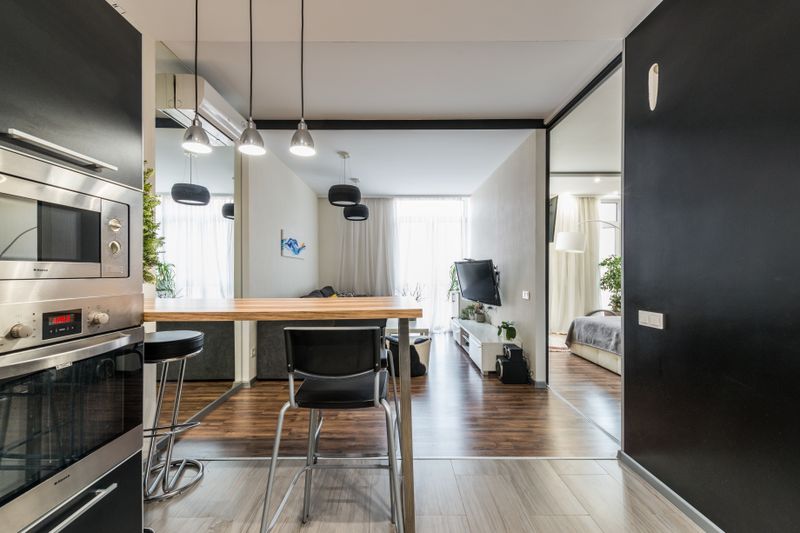
A door left open, a glazed panel or an opening between two rooms lets the eye continue past the boundary of the room it is in.
The borrowed depth is registered as part of the space even though the wall clearly divides them, which is why open doorways make small flats feel more generous.
A view to a window in an adjoining room is particularly effective, because daylight at the end of a sightline reads as distance.
Tall obstructions cost more than low ones
Anything above eye height interrupts the view completely, while a low piece of furniture in the same position leaves the sightline intact.
This is why a room full of low furniture feels open and the same room with one tall wardrobe in the wrong place feels congested.
Where height is needed for storage, placing it against the wall the eye looks from rather than the wall it looks towards preserves the view.
Clutter shortens sightlines invisibly
Visual interruption does not require a solid object. A crowded surface in the middle distance stops the eye as effectively as a partition.
Keeping the far end of the longest view uncluttered is a small discipline with a disproportionate effect on how large a home feels.
Pattern behaves the same way. A busy surface at the end of a sightline pulls the eye up short, while a plain one lets it continue to the wall behind.
Questions readers ask
Can I put heavy planters on my balcony?
Only within its design load, which you will not know by looking. Wet soil is heavy, and in an older building the question belongs to a structural engineer and the building owner.
Why do my balcony plants keep dying?
Usually wind and drought rather than cold. Containers dry out fast in moving air, so use larger pots and choose plants adapted to exposure.